How to Store Coffee Beans Properly: Maximizing Freshness, Aroma, and Flavor
If you’ve ever brewed a cup of coffee that tasted flat, sour, or stale even with premium beans you’re not alone. Often, the issue isn’t the quality of the coffee but how it was stored. Coffee is an agricultural product, and once roasted, it begins to degrade. Improper storage can rob it of aroma, complexity, and balance in just days.
In this article, we’ll explain how oxygen, light, moisture, and temperature affect coffee beans and how to store them properly to preserve their full potential.
Why Coffee Freshness Matters
Freshness is essential in preserving the volatile aromatic compounds that give coffee its signature flavors. Roasted beans release CO₂ and slowly oxidize, which affects both aroma and taste.
Signs of stale coffee include:
- Flat, cardboard-like taste
- Dull or “muddy” mouthfeel
- Lack of aromatics
- Increased bitterness or sourness
Understanding coffee’s enemies is the first step toward storing it correctly.
The Four Enemies of Coffee Freshness
1. Oxygen
Oxidation begins immediately after roasting. When coffee is exposed to air, oxygen reacts with the oils and compounds in the beans, leading to rancidity and loss of flavor.
2. Light
UV rays break down coffee oils and degrade flavor. Beans stored in transparent containers or near windows will go stale faster.
3. Heat
Excessive heat speeds up chemical reactions in the coffee, accelerating spoilage. Room temperature or slightly below is ideal.
4. Moisture
Coffee beans are hygroscopic—they absorb moisture and odors from their environment. Even small amounts of humidity can trigger mold growth or make your brew taste “off.”
Best Practices for Storing Coffee Beans
Use an Airtight Container
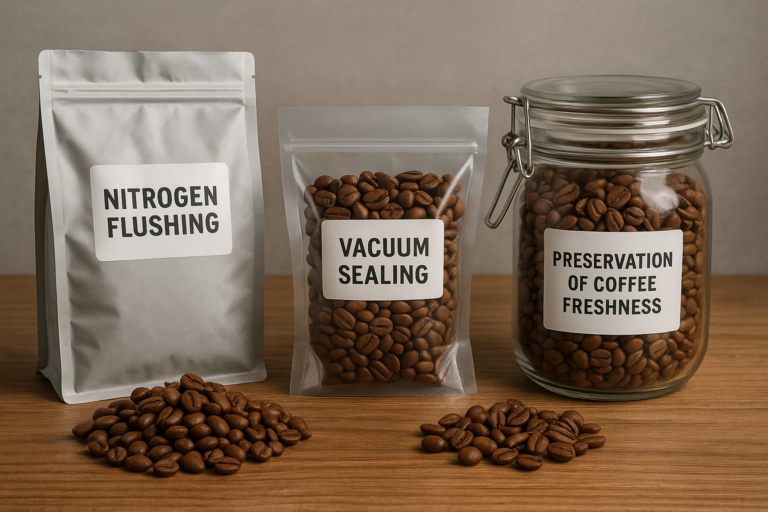
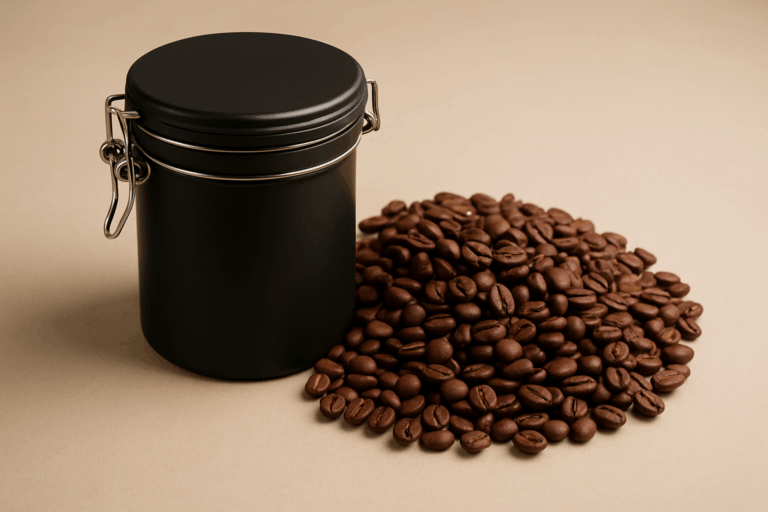
Choose containers with a one-way CO₂ valve (common in specialty coffee bags) or vacuum-sealed containers that block oxygen completely.
Best materials:
- Stainless steel
- Opaque ceramic
- High-grade BPA-free plastic
- Glass (only if stored in a dark cupboard)
Avoid paper or thin plastic bags, as they offer poor protection against air and moisture.
Store in a Cool, Dark Place
A pantry or closed cupboard works well. Avoid placing coffee:
- Near ovens or stoves
- On windowsills
- Inside open shelving
Ideal storage temperature: 15–20°C (59–68°F)
Don’t Freeze… Unless You Know How
Freezing beans can preserve freshness for months if done correctly—but it comes with risks.
Do freeze if:
- You buy in large quantities and won’t consume all within 2–4 weeks
- Beans are vacuum-sealed or in airtight, moisture-proof bags
Don’t freeze if:
- You open the bag frequently (condensation will form)
- The bag isn’t sealed properly
Freezing tips:
- Portion your beans into weekly doses before freezing
- Defrost unopened and bring to room temperature before opening
- Never refreeze beans
Grind Only What You Brew
Ground coffee stales 4x faster than whole beans due to increased surface area. For best results, grind immediately before brewing.
Invest in a burr grinder (not a blade grinder) for consistent, precise grinds that maximize extraction and flavor.
How Long Do Coffee Beans Stay Fresh?
| Coffee Form | Shelf Life (Optimal Flavor) |
|---|---|
| Whole Beans | 2–4 weeks after roast (if sealed) |
| Ground Coffee | 1–2 weeks after opening |
| Unopened Commercial Bags | 6–9 months (if nitrogen flushed) |
| Frozen Beans | 3–6 months (if properly stored) |
Always check the roast date, not just the “best by” label.
Common Coffee Storage Mistakes
- Using the fridge: Refrigerators are humid and full of odors. Coffee will absorb them, affecting taste.
- Leaving the bag open: Even rolled-up bags let air in.
- Transparent containers: Light exposure breaks down aromatics.
- Buying too much: Only buy what you can drink in 2–3 weeks.
- Grinding in advance: Ground coffee loses aroma rapidly.
Bonus Tip: Keep Beans Out of Coffee Equipment Hoppers
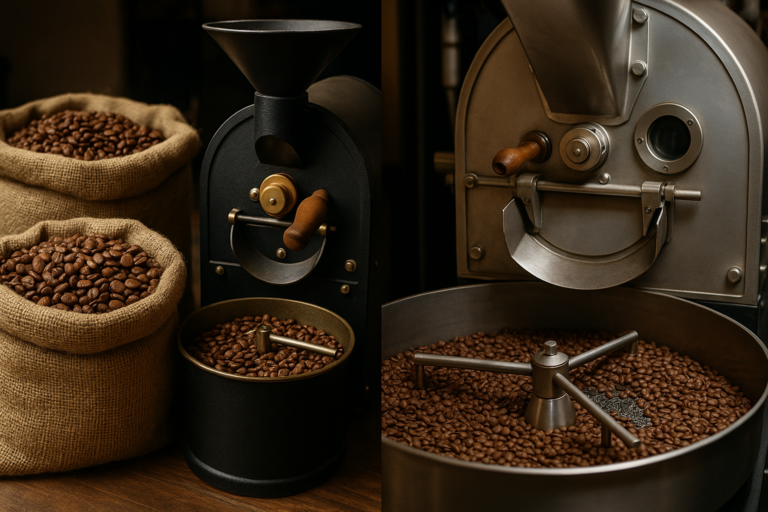
Some espresso machines or grinders have built-in hoppers that store beans. Avoid leaving beans there for days—heat from the machine and exposure to light will reduce quality. Refill daily instead.
For Maximum Flavor, Treat Coffee Like Fresh Produce
Storing coffee well is like storing vegetables or fruit: it needs protection from air, heat, and moisture to stay vibrant and fresh. With a few small adjustments like using the right container, limiting exposure, and grinding fresh you can dramatically improve the taste of your daily brew.
A Little Care Goes a Long Way
You don’t need expensive gear or commercial setups to store coffee properly. Just understanding how freshness works and adopting a few good habits can preserve all the richness, sweetness, and nuance your beans were grown to express. Your cup will thank you.