Understanding Coffee Acidity and Flavor Notes
If you’ve ever read a coffee label that mentions “bright acidity” or “notes of red berries,” you may have wondered what those terms really mean. Are they marketing buzzwords, or do they say something real about the taste of your coffee?
The answer is: yes, they do! Acidity and flavor notes are key aspects of coffee’s complexity. In this article, you’ll learn what coffee acidity is, how to identify flavor notes, and how both affect your overall coffee experience.
What Is Coffee Acidity?
In coffee, acidity refers to a pleasant, crisp brightness in flavor—not to be confused with the sourness of spoiled food or stomach acid.
Think of the tartness of green apple, lemon zest, or a juicy berry. That lively sensation you feel on your tongue in certain coffees is acidity. It brings life, vibrancy, and character to your cup.
Acidity is:
- A desirable trait in many specialty coffees
- Common in light and medium roasts
- Closely tied to the origin and altitude where the beans were grown
Acidity is not:
- A measure of the pH level in your coffee (though technically coffee is acidic)
- The same as sourness or unpleasant sharpness
Types of Coffee Acidity
Coffee professionals recognize different kinds of acidity, each with distinct sensations. Some examples include:
- Citric acidity – Like oranges or lemons (found in many African coffees)
- Malic acidity – Like green apples or pears (common in Central American coffees)
- Tartaric acidity – Like grapes or red wine (seen in Ethiopian naturals)
- Acetic acidity – Like vinegar or kombucha (can be pleasant or unpleasant depending on intensity)
When acidity is balanced, it adds complexity and brightness. When unbalanced, it can be overpowering or sour.
What Affects Acidity in Coffee?
Several factors influence how acidic a coffee will taste:
1. Origin
High-altitude coffees from places like Ethiopia, Kenya, and Colombia often have bright, citrusy or fruity acidity.
2. Varietal
Some coffee plant varieties are naturally more acidic. For example, Ethiopian heirloom varieties tend to be more floral and acidic than Brazilian cultivars.
3. Processing Method
- Washed coffees (cleaned of fruit before drying) often have brighter acidity.
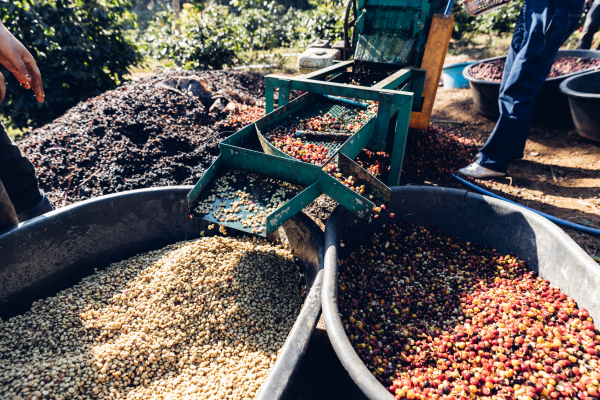
- Natural or dry-processed coffees (dried with fruit on) are fruitier but may have more fermented or wine-like acidity.
4. Roast Level
- Light roast: Preserves acidity and origin flavors
- Medium roast: Balances acidity and sweetness
- Dark roast: Lowers acidity and emphasizes bitter or smoky flavors
5. Brewing Method
Pour-over methods tend to highlight acidity. French press or espresso tends to emphasize body and sweetness.
Understanding Flavor Notes
Flavor notes are the distinct taste characteristics that a coffee can have. They don’t mean the coffee was flavored—but that, like wine or chocolate, it naturally expresses certain flavors depending on its origin and roast.
Common Categories of Flavor Notes:
Fruity
- Berries, stone fruits, citrus, apples
- Common in African and Central American coffees
Floral
- Jasmine, rose, chamomile
- Common in Ethiopian and Panamanian coffees
Nutty & Chocolaty
- Hazelnut, almond, cocoa, milk chocolate
- Often found in Brazilian or Guatemalan coffees
Spicy & Sweet
- Cinnamon, brown sugar, honey
- Found in medium roasts and naturals
Earthy & Woody
- Tobacco, cedar, peat
- Common in some Indonesian coffees and dark roasts
How to Taste Acidity and Flavor Notes
1. Use a Clean Brew Method
Use pour-over, AeroPress, or cupping to highlight flavor clarity.
2. Start With Black Coffee
Milk and sugar mask acidity and flavor complexity. Try it black first.
3. Let It Cool Slightly
Acidity and flavor notes are more detectable when the coffee is warm—not hot.
4. Take Small Sips
Let the coffee sit on your tongue and try to notice where you feel sensations (front, sides, back of mouth).
5. Compare Different Coffees
Tasting two coffees side-by-side is the best way to notice acidity differences.
Is Acidity Good or Bad?
Good acidity makes coffee taste more dynamic, fruity, and exciting.
Too much acidity or unbalanced acidity can make it taste sour, sharp, or unpleasant.
Some people prefer low-acid coffees for flavor or health reasons. These typically come from:
- Low-altitude origins (e.g., Brazil, Sumatra)
- Dark roasts
- Blends made for espresso or milk drinks
How to Choose Coffee Based on Acidity
Choose high-acidity coffees if:
- You like bright, fruity, or wine-like flavors
- You brew manually (pour-over, Chemex, AeroPress)
- You enjoy black coffee
Choose low-acidity coffees if:
- You prefer smooth, chocolaty, or nutty profiles
- You drink your coffee with milk or cream
- You use French press, moka pot, or espresso machines
Elevate Your Coffee Experience
Acidity and flavor notes are what make coffee more than just a caffeine delivery system, they’re what make coffee interesting. Learning to recognize acidity helps you choose coffees you love, understand labels, and even describe what you’re tasting.
So the next time you drink a coffee with “notes of red fruit and citrus” try to taste those flavors for yourself. It might just change how you experience every cup.