How Altitude Affects the Flavor of Your Coffee Beans
The Higher the Bean, the Brighter the Cup?
Coffee is more than just a morning ritual — it’s a complex agricultural product shaped by countless environmental factors. While most people focus on origin or roast, one of the most overlooked elements is altitude. But how does altitude affect the flavor of coffee beans?
You’ll learn how elevation impacts the coffee plant, why high-grown beans are often considered premium, and how to use this knowledge to find your ideal brew.
Why Altitude Matters in Coffee Farming
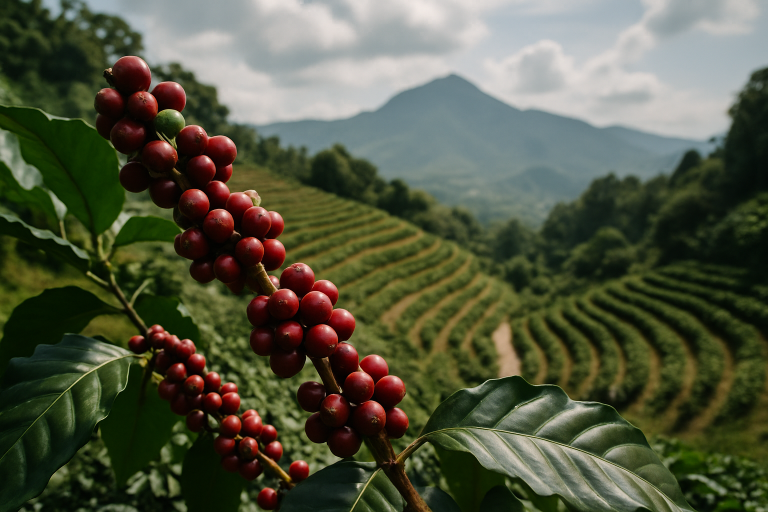
Coffee is a seed that grows inside a cherry on a flowering plant. The plant thrives in tropical climates, but the best beans often come from elevated terrains — usually between 1,000 and 2,200 meters (3,300 to 7,200 feet) above sea level.
So, why does elevation matter?
The higher the altitude:
- The cooler the temperature
- The slower the coffee cherry matures
- The more time for complex sugars and acids to develop
As a result, high-altitude beans are more dense and flavorful, making them highly desirable in the specialty coffee world.
Coffee Flavor by Altitude: A Breakdown
Here’s how elevation typically influences the flavor profile:
| Altitude Range | Flavor Characteristics |
|---|---|
| 600–900m (2,000–3,000 ft) | Mild, nutty, chocolatey, low acidity |
| 900–1,200m (3,000–4,000 ft) | Balanced body, subtle floral notes |
| 1,200–1,800m (4,000–6,000 ft) | Bright acidity, fruity, vibrant aromas |
| 1,800m+ (6,000+ ft) | Complex, exotic, high acidity, lighter body |
Of course, other factors like soil, rainfall, and processing method play a role too — but altitude sets the stage.
Examples of High-Altitude Coffees
Here are some well-known high-grown coffees:
- Ethiopia Yirgacheffe (1,700–2,100m): Bright acidity, floral, citrus
- Colombian Supremo (1,300–1,800m): Balanced, caramel, red fruit
- Guatemala Antigua (1,500m+): Chocolatey, spicy, clean finish
These beans tend to roast more evenly and develop more layered flavor profiles, especially when prepared using manual methods like pour-over or Chemex.
Why High-Altitude Coffee Is Considered Premium
Several reasons explain the higher price tag:
- Better flavor – the slow growth yields more sugars, which turn into rich, nuanced flavors during roasting.
- Increased bean density – denser beans hold up better under heat, offering more control during roasting.
- Hand-picking necessity – the steep terrain at high altitudes makes machine harvesting impossible, increasing labor value and selectivity.
- Limited supply – fewer farms operate at extreme elevations, adding exclusivity.
Are Low-Altitude Coffees Inferior?
Not at all.
While high-elevation beans are celebrated for complexity, low-altitude coffees often provide body, sweetness, and depth — especially valuable in espresso blends and dark roasts. Brazil, for example, grows much of its coffee at 800–1,200 meters, producing smooth, chocolatey beans with excellent crema.
Tips for Choosing Coffee Based on Altitude
- Want brightness and fruitiness? Choose beans grown above 1,500m.
- Prefer rich, full-bodied coffee? Go for mid- or low-altitude beans.
- Look for “SHB” (Strictly Hard Bean) or “HG” (High Grown) labels — these usually mean high-altitude.
If the label doesn’t show altitude, check the origin and research common elevations for that region.
Altitude is a silent hero in the coffee world — influencing every part of the bean’s journey, from growth to cup. Whether you’re chasing fruity florals or smooth cocoa notes, knowing the bean’s elevation can help you brew better coffee.
Next time you’re shopping for beans, go beyond roast and origin — look up and see what the altitude reveals.