What Is Single-Origin Coffee and Why Is It Special?
In recent years, the term “single-origin coffee” has become a favorite among specialty coffee drinkers and third-wave cafés. But what does it actually mean? Is it just a trendy label or is there something truly unique about single-origin beans?
In this article, we’ll explore what makes single-origin coffee special, how it differs from blends, and why it can offer a richer and more meaningful experience for anyone who enjoys coffee.
What Does “Single-Origin” Mean?
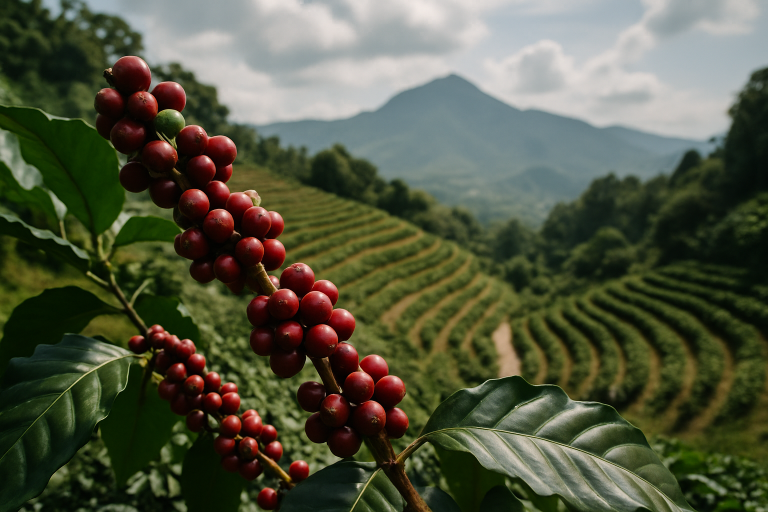
Single-origin coffee comes from one specific location. This could be a single country, a particular region within that country, or even a single farm or estate.
There are different levels of specificity:
- Country-level: e.g., Ethiopia, Colombia, Kenya
- Region-level: e.g., Sidamo (Ethiopia), Huila (Colombia)
- Farm-level: e.g., Finca El Injerto, La Palma y El Tucán
- Microlot: A small, traceable batch harvested from a select area or group of plants often the highest quality
In contrast, coffee blends are made by combining beans from multiple origins to create a consistent flavor profile.
Why Single-Origin Matters
1. Traceability and Transparency
With single-origin coffee, you know exactly where your coffee came from. This traceability allows you to:
- Support specific farms or cooperatives
- Understand growing conditions
- Learn about the culture and people behind the beans
It brings a human connection to your cup.
2. Unique Flavor Profiles
Each coffee-growing region has its own terroir, a combination of altitude, soil, climate, and varietals—that influences the flavor of the beans.
For example:
- Ethiopian coffees often have floral and citrus notes
- Kenyan beans may offer wine-like acidity and blackcurrant flavors
- Brazilian coffees tend to be nutty, chocolatey, and low-acid
These distinct characteristics are more noticeable in single-origin coffees because they aren’t blended with other beans.
3. Seasonality and Freshness
Single-origin coffees are typically seasonal, harvested once a year. Roasters often release them in small batches and feature harvest year and lot number on the label. This means you’re getting coffee that’s fresh and reflective of a specific time and place.
4. Experimentation and Discovery
Trying single-origin coffees from different regions allows you to explore a wide range of flavors. It’s a great way to train your palate and discover what you truly enjoy.
You might find you love:
- Bright, citrusy coffees from East Africa
- Sweet, mellow profiles from Central America
- Bold, earthy beans from Indonesia
Single-Origin vs. Blends
| Feature | Single-Origin | Blends |
|---|---|---|
| Origin | One specific location | Multiple origins |
| Flavor | Distinct, unique, sometimes surprising | Balanced, consistent |
| Purpose | Showcase origin and terroir | Create a reliable flavor profile |
| Popular Uses | Pour-over, tasting, black coffee | Espresso, milk-based drinks |
Blends are often used in commercial settings or espresso drinks to maintain consistency. Single-origin coffees are ideal for slow, intentional brews that highlight subtle differences in flavor.
Common Brewing Methods for Single-Origin
To enjoy the full complexity of a single-origin coffee, manual methods are often recommended:
- Pour-over (Hario V60, Chemex): Clean, crisp, and excellent for high-acid coffees
- French press: Brings out body and richness
- AeroPress: Great for highlighting nuanced flavors with quick extraction
- Cold brew: Reveals sweetness and smooth texture, even in brighter beans
While you can enjoy single-origin coffee as espresso, it’s often best appreciated when brewed in a way that gives you control over variables like temperature, time, and grind.
How to Choose a Single-Origin Coffee
When selecting a single-origin coffee, look for these details on the label:
- Country and region
- Farm or producer name
- Altitude (higher altitudes = more complex flavor)
- Process method (washed, natural, honey)
- Varietal (Bourbon, SL28, Gesha, etc.)
- Roast date
Also, consider your taste preferences:
- Like bright and fruity? Try Ethiopia, Kenya, or Rwanda
- Prefer smooth and chocolaty? Choose Brazil, Peru, or Colombia
- Want bold and spicy? Go for Sumatra or Papua New Guinea
Supporting Sustainability and Ethics
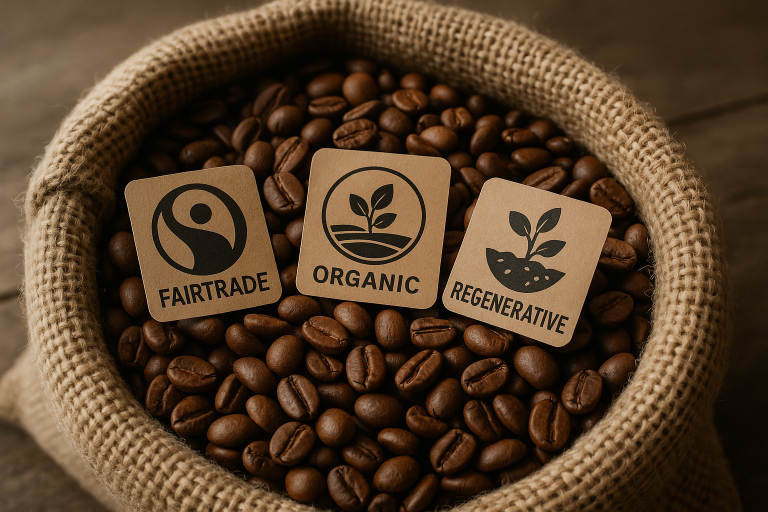
Single-origin coffees often come from small-scale farms or cooperatives where growers are paid higher prices for quality. When buying from ethical roasters, you help support:
- Fair wages for farmers
- Investment in sustainable farming practices
- Greater visibility for underrepresented producers
Look for terms like direct trade, traceable, or relationship coffee these suggest that the roaster works closely with producers, often skipping middlemen.
Are Single-Origin Coffees Always Better?
Not necessarily. While single-origin coffees offer a more unique experience, they’re also:
- More variable in taste and consistency
- Sometimes more acidic or unusual for casual drinkers
- Usually more expensive
Blends have their place, especially when consistency and versatility are key. But single-origin coffee is special because it tells a story in every sip.
Savor the Origin
Drinking single-origin coffee is about more than taste, it’s about connecting with the origin, honoring the people who grew it, and celebrating the unique journey of each bean. It invites you to slow down, pay attention, and explore coffee as a craft rather than a commodity.
So the next time you pick up a bag labeled “single-origin” take a moment to notice the details. Brew it slowly. Taste it thoughtfully. You might just discover a world of flavor you never knew coffee could offer.