The Difference Between Arabica and Robusta Coffee: Which One Should You Choose?
When you stroll down the coffee aisle or browse a specialty shop online, you’ll often see labels boasting either Arabica or Robusta beans. But what exactly do these terms mean — and which one is right for your morning brew?
Understanding the differences between Arabica and Robusta beans is essential for anyone looking to refine their coffee experience. Whether you’re a casual drinker or an aspiring connoisseur, knowing the strengths and shortcomings of each variety can help you make better choices.
What Are Arabica and Robusta Coffee Beans?
Arabica and Robusta are two of the most commercially important species of coffee. They come from different plants, thrive in different environments, and offer distinct taste profiles.
Arabica (Coffea arabica)
- Originates from the highlands of Ethiopia.
- Grown at higher altitudes (600–2,000 meters).
- Represents about 60–70% of global coffee production.
- More susceptible to pests and diseases.
- Requires more care and specific climate conditions.
Robusta (Coffea canephora)
- Native to sub-Saharan Africa.
- Grown at lower altitudes (up to 800 meters).
- Hardier and more resistant to diseases.
- Yields more beans and grows faster.
- Makes up around 30–40% of the market.
Flavor Profile: What Do They Taste Like?
The most significant difference between Arabica and Robusta lies in the flavor. If you’re chasing a smooth, nuanced cup or a strong caffeine punch, this could guide your decision.
Arabica
- Flavor: Mild, smooth, often with fruity or floral notes.
- Acidity: Higher, offering a brighter taste.
- Bitterness: Low.
- Texture: Silky, lighter body.
Arabica beans are typically preferred by specialty coffee drinkers due to their complex and refined taste. You’ll often find notes of chocolate, berries, citrus, or even honey depending on the origin and roast.
Robusta
- Flavor: Earthy, woody, sometimes nutty.
- Acidity: Lower.
- Bitterness: Higher — often described as rubbery or burnt.
- Texture: Full-bodied and heavier.
Robusta coffee tends to be bolder and harsher. It’s popular in espresso blends because of the crema it produces and its intense kick.
Caffeine Content
Caffeine plays a major role in flavor and body — and Robusta takes the lead here.
- Arabica: ~1.2% caffeine
- Robusta: ~2.2% caffeine
Robusta beans have almost double the caffeine of Arabica. That’s part of why they taste more bitter and astringent. If you need a strong wake-up call, Robusta might be for you. On the other hand, Arabica is easier on the stomach and palate for most people.
Price and Availability
Because Arabica beans require more specific growing conditions and are more delicate, they’re often more expensive.
- Arabica: Higher cost, especially for single-origin or specialty roasts.
- Robusta: More affordable, widely used in commercial-grade coffees and instant blends.
That said, not all Robusta is cheap or low-quality. Some farms produce specialty Robusta with impressive flavor depth, though it’s still a niche market.
Popular Uses
Arabica:
- Specialty cafés
- High-end espresso blends
- Pour-over, French press, and cold brew
Robusta:
- Instant coffee
- Supermarket blends
- Italian espresso (for a thicker crema)
Many commercial brands use blends of both to balance cost and flavor.
Which One Should You Choose?
It depends on your taste preferences, brewing method, and what you want out of your coffee experience.
Choose Arabica If You:
- Prefer smoother, more complex flavors.
- Like subtle sweetness or fruity acidity.
- Are brewing via pour-over or French press.
- Want a premium coffee experience.
Choose Robusta If You:
- Need a stronger caffeine kick.
- Enjoy bold, bitter coffee flavors.
- Want to make strong espresso.
- Are looking for budget-friendly options.
You might also try blending both at home to experiment with the best of both worlds.
How to Tell Them Apart
You don’t need a lab to distinguish Arabica from Robusta. Here are a few physical and packaging cues:
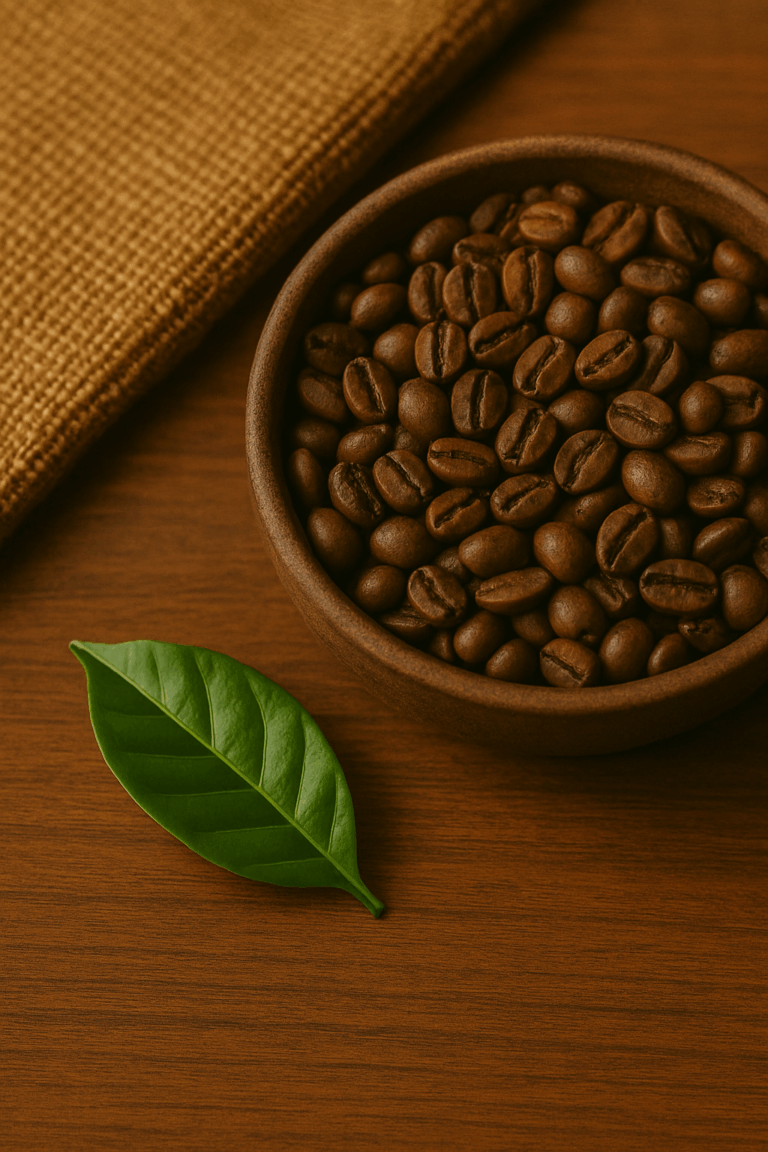
- Bean Shape: Arabica beans are oval with a curved crease. Robusta beans are rounder with a straight crease.
- Roast Description: Arabica coffee usually comes with tasting notes and origin details. Robusta is often labeled as “strong” or “bold.”
- Crema: If you’re making espresso and get a thick, foamy layer — that’s likely due to Robusta.
Final Thoughts: There’s No One-Size-Fits-All
Ultimately, choosing between Arabica and Robusta isn’t about which is better, but which fits your style. You might love the fruity smoothness of an Ethiopian Arabica on a slow weekend morning and appreciate the punch of a Robusta-heavy espresso during a busy workday.
Explore, compare, and experiment. The beauty of coffee is in its diversity — and knowing the difference between Arabica and Robusta gives you the power to customize every cup to your liking.