Freshly Ground Coffee: Why This Habit Changes Everything About Your Brew
If there’s one simple change that can instantly elevate your daily cup of coffee, it’s grinding your beans right before brewing. While pre-ground coffee is convenient, it doesn’t come close to the flavor, aroma, and richness that freshly ground coffee provides.
In this article, we’ll explore why grinding fresh matters, how it affects aroma, body, and acidity, and how you can make this habit part of your daily coffee routine — even on a busy schedule.
What Happens When Coffee Is Ground?
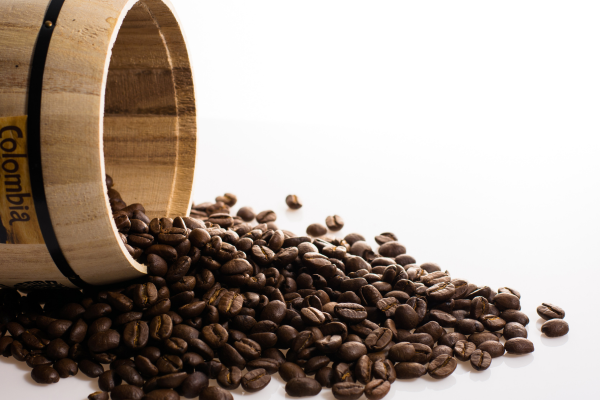
Coffee beans are full of volatile compounds — aromatic oils, acids, and sugars — that contribute to the flavor and aroma of your drink. When beans are ground, their surface area increases dramatically, allowing water to extract those compounds more easily.
But this also exposes the coffee to air, moisture, heat, and light, which begin to break down those flavor elements almost immediately.
Key chemical changes after grinding:
- Oxidation: Aromatic oils react with oxygen, causing flavor loss.
- Degassing: CO₂ (carbon dioxide) rapidly escapes, affecting crema and mouthfeel.
- Moisture absorption: Coffee attracts moisture from the air, dulling its flavor.
- Volatile compound loss: Subtle aromas dissipate quickly, even within minutes.
How Quickly Does Ground Coffee Lose Freshness?
Surprisingly fast.
- Within 15 minutes: Noticeable drop in aroma intensity
- After 1 hour: Flavor begins to flatten
- After 24 hours: Sweetness and acidity noticeably reduced
- After a few days: Coffee tastes dull, bitter, or hollow
Even in sealed containers, ground coffee cannot retain peak flavor for long. That’s why experts always recommend grinding just before brewing.
The Sensory Benefits of Fresh Grinding
Grinding fresh impacts every part of the sensory experience, including:
1. Aroma
- Freshly ground coffee releases a burst of rich, complex aromas — fruity, floral, nutty, chocolatey — depending on origin and roast.
- Pre-ground coffee smells muted or stale, even if recently opened.
2. Flavor Clarity
- Fresh grounds deliver a cleaner, more expressive cup.
- You’ll taste origin-specific notes like citrus, berries, or caramel more clearly.
3. Body and Texture
- Fresh grinds allow better even extraction, producing a more rounded and smooth body.
- With stale coffee, the texture is often thin or astringent.
4. Acidity and Sweetness
- Bright, juicy acidity and natural sweetness are lost quickly in pre-ground coffee.
- Fresh grinding keeps these desirable qualities intact.
The Role of Grind Size in Extraction
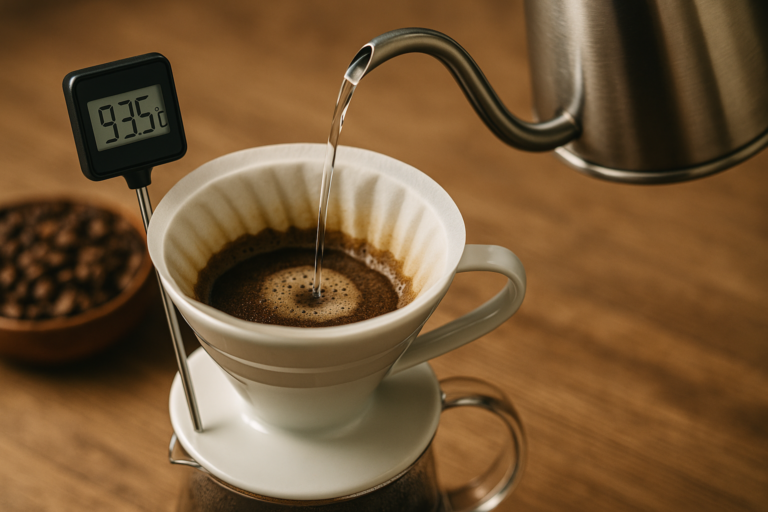
Freshness aside, grind size determines how long water is in contact with the coffee and how much flavor is extracted.
| Brew Method | Ideal Grind Size |
|---|---|
| Espresso | Fine |
| AeroPress | Fine–Medium |
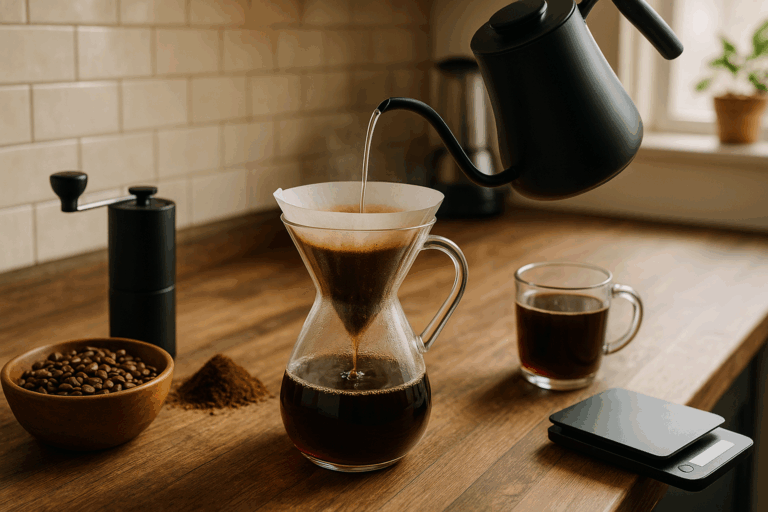
| Pour-Over (V60) | Medium |
| Chemex | Medium–Coarse |
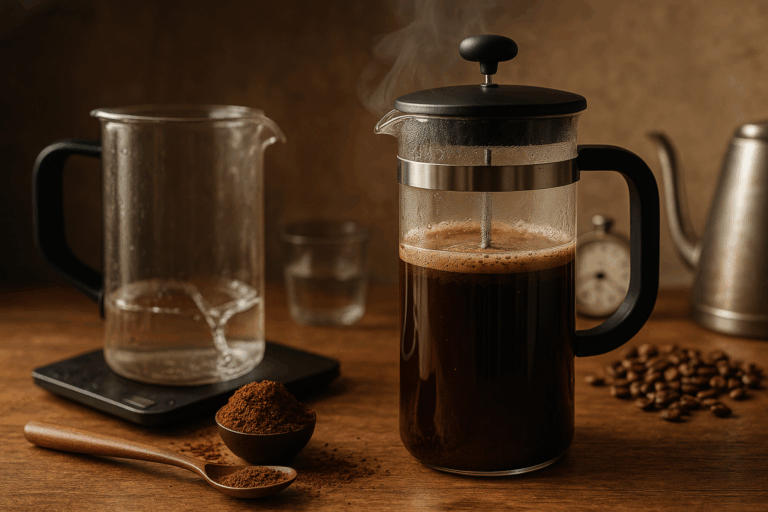
| French Press | Coarse |
| Cold Brew | Extra Coarse |
Using the correct grind size is essential for balance. But even if your grind size is perfect, using pre-ground coffee makes it harder to dial in freshness.
Burr vs. Blade Grinders: What You Need to Know
To grind your coffee at home, you’ll need a grinder. But not all grinders are created equal.
Blade Grinder
- How it works: Uses spinning blades to chop coffee
- Pros: Inexpensive, compact
- Cons: Produces inconsistent particle sizes, leading to uneven extraction
- Best for: Casual use, French press or drip
Burr Grinder
- How it works: Uses two abrasive surfaces (burrs) to crush beans uniformly
- Pros: Consistent grind size, adjustable settings, better flavor control
- Cons: More expensive
- Best for: Pour-over, espresso, cold brew — basically everything
If you’re serious about coffee, investing in a burr grinder is one of the best decisions you can make.
Fresh Grinding in Real Life: Is It Practical?
Absolutely. You don’t need to be a barista to grind fresh at home. Here’s how to integrate it into your daily routine:
- Grind just before brewing — don’t pre-grind for the week.
- Use a timer — many electric burr grinders can dose automatically.
- Clean your grinder regularly — coffee oils can go rancid over time.
- Experiment — taste how your coffee changes when you adjust grind size and brew method.
Bonus Tip: Grind Only What You Need
Avoid grinding more than you’ll use immediately. Ground coffee degrades rapidly, even in airtight containers. If you must store ground coffee, keep it:
- In a cool, dark, dry place
- In vacuum-sealed containers
- Away from moisture and strong odors
But again — fresh is always best.
Final Thoughts: One Habit, Huge Impact
Grinding your coffee fresh isn’t just for purists or professionals — it’s for anyone who wants a better cup.
This simple step enhances aroma, improves flavor balance, and transforms a routine brew into something delicious and memorable. With just one habit change — adding a grinder to your setup — you unlock the true potential of your beans.
So the next time you brew, skip the pre-ground bag. Grind fresh, and taste the difference.