How Water Temperature Can Transform the Flavor of Your Coffee
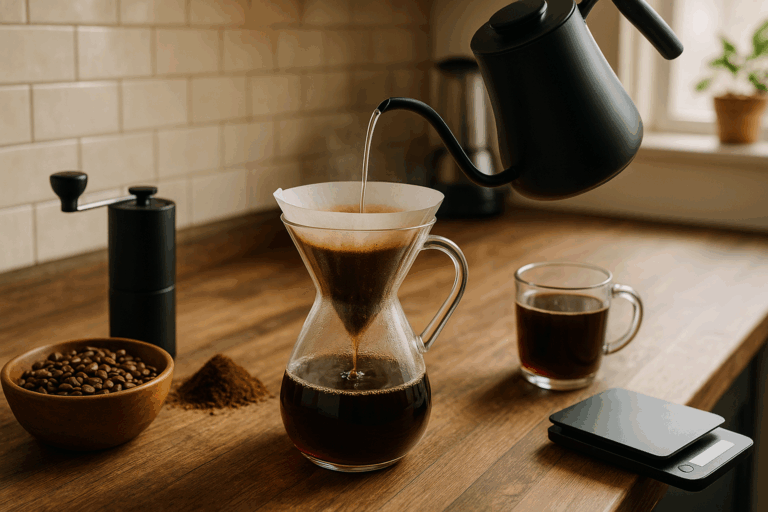
Brewing a great cup of coffee isn’t just about good beans or fancy equipment — it’s about control. One of the most underrated and misunderstood elements in coffee preparation is water temperature. Whether you’re making espresso, pour-over, or French press, the temperature of the water you use plays a critical role in the final taste of your drink.
In this article, we’ll explore the science behind water temperature, how it influences extraction, and how to optimize temperature for different brewing methods to bring out the best in your coffee.
Why Water Temperature Matters in Coffee Brewing
When hot water meets ground coffee, it triggers a complex process called extraction — the dissolution of soluble compounds from the coffee into the water. These compounds include:
- Aromatic oils (responsible for smell and flavor complexity)
- Acids (which add brightness and liveliness)
- Sugars (which provide sweetness)
- Bitter compounds (which add depth or harshness)
The temperature of the water directly affects the rate and efficiency of this extraction. Too hot, and you’ll pull out excessive bitterness. Too cold, and you’ll under-extract, resulting in a flat, sour cup.
The “Golden Range” of Brewing Temperature
Most coffee experts and organizations (like the Specialty Coffee Association) recommend brewing coffee between:
90°C and 96°C (or 195°F and 205°F)
This range ensures that enough soluble compounds are extracted to produce a balanced, flavorful cup without over-extracting the bitter elements.
What Happens at Different Temperatures?
Let’s break down how different water temperatures affect the extraction:
| Temperature Range | Common Result |
|---|---|
| Below 85°C (185°F) | Under-extraction: sour, weak, grassy |
| 85–89°C (185–192°F) | Mild acidity, lighter body |
| 90–94°C (195–201°F) | Ideal balance of acidity, sweetness, and aroma |
| 95–96°C (203–205°F) | Full body, lower acidity, possible bitterness |
| Above 96°C (205°F) | Over-extraction: bitter, burnt, astringent |
Factors That Affect Ideal Temperature
There’s no one-size-fits-all solution. The best water temperature depends on several variables:
1. Roast Level
- Light Roasts: Denser and less soluble, often require higher temperatures (93–96°C) to extract complex acids and aromas.
- Medium Roasts: Balanced — perform well in the standard range (90–94°C).
- Dark Roasts: More soluble and fragile; prefer lower temperatures (88–91°C) to avoid bitter, burnt flavors.
2. Grind Size
- Finer grinds (e.g., espresso): Extract faster; can tolerate slightly lower temperatures.
- Coarser grinds (e.g., French press): Need more heat to extract effectively.
3. Brew Method
Each method interacts differently with temperature due to contact time and pressure:
| Brew Method | Ideal Temp |
|---|---|
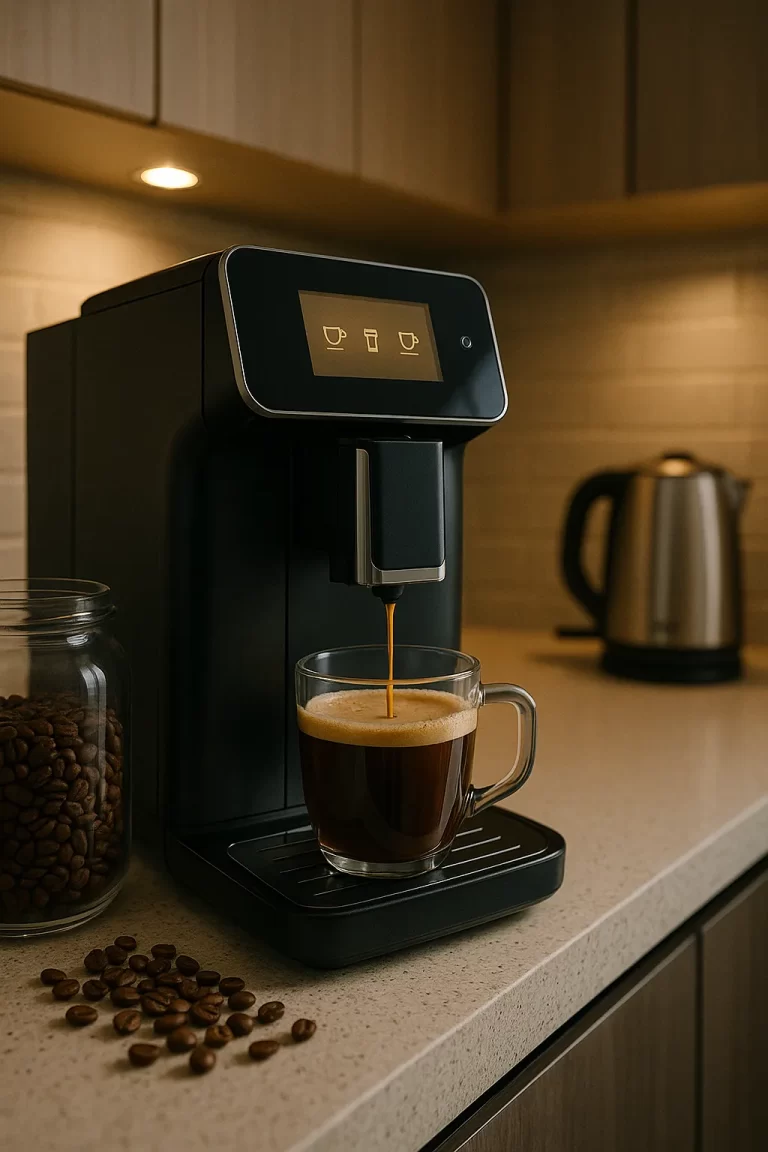
| Espresso | 90–96°C |
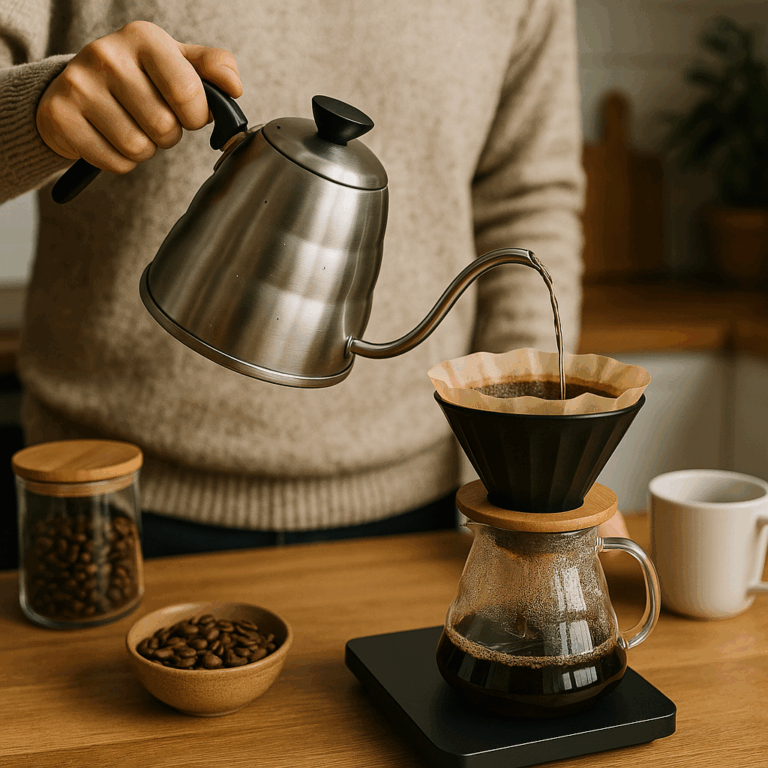
| Pour-over (V60, Chemex) | 92–96°C |
| French Press | 93–95°C |
| AeroPress | 80–90°C (especially for lighter flavor) |
| Cold Brew | No heat (steeped in cold water for 12–24 hours) |
How to Measure and Control Water Temperature
Don’t Just Boil and Pour
Most people boil water and pour it straight over the grounds. But boiling water is 100°C (212°F) — too hot for most brewing methods. Here’s how to manage it:
Practical Methods:
- Use a Thermometer
A digital thermometer is inexpensive and very accurate. - Let Water Sit
After boiling, let water rest for 30–60 seconds. This brings it closer to the optimal range (90–95°C). - Use Temperature-Controlled Kettles
Ideal for precision. Many electric kettles now allow you to set a specific temperature. - Dial in with Tasting
Even without tools, you can experiment and taste the difference — use the same beans and change only the water temperature between brews.
Tasting the Difference: A Real Example
Here’s a simple experiment to try at home:
- Brew the same coffee using three temperatures: 85°C, 93°C, and 98°C.
- Use the same grind size, dose, and brew time.
- Taste and compare.
What you’ll notice:
- The 85°C cup may taste sharp, sour, or underwhelming.
- The 93°C cup likely feels balanced and aromatic.
- The 98°C cup might be full-bodied but overly bitter or harsh.
This hands-on approach will help train your palate and give you practical insight into how temperature shapes flavor.
Final Thoughts: Temperature Is a Tool, Not a Rule
Water temperature doesn’t need to be intimidating — it’s simply one more variable you can use to customize your brew. When used correctly, it unlocks the hidden potential in your beans and brings out nuances you might otherwise miss.
By understanding how temperature affects extraction, you’re taking a major step from casual brewing to thoughtful, intentional coffee preparation. Whether you’re using a pour-over or espresso machine, mastering this element will transform every cup from “good enough” to exceptional.