How to Make the Perfect Coffee at Home: A Complete Guide
For many, coffee is more than just a beverage — it’s a daily ritual. Whether you’re an early riser or someone who sips slowly throughout the day, the quality of your coffee can make all the difference. With a few essential techniques and tools, you can make a barista-quality cup right in your own kitchen.
Understand Your Coffee Beans
It all starts with the bean. Coffee beans are divided into two primary types: Arabica and Robusta.
- Arabica: Known for its smooth, slightly sweet flavor with notes of fruit or sugar.
- Robusta: Stronger, more bitter, with higher caffeine content — often used in espresso blends.
When choosing coffee, opt for freshly roasted whole beans. Look for the roast date (not expiration) and aim to use them within 2–3 weeks of roasting for the best flavor.
Grind Your Coffee Fresh
Pre-ground coffee may be convenient, but grinding fresh beans will elevate your brew.
Why Fresh Grind Matters:
- Prevents loss of aroma and oils
- Customizes grind size for your brewing method
- Ensures maximum flavor extraction
Grind Size Recommendations:
- French Press: Coarse
- Drip Coffee Makers: Medium
- Espresso Machines: Fine
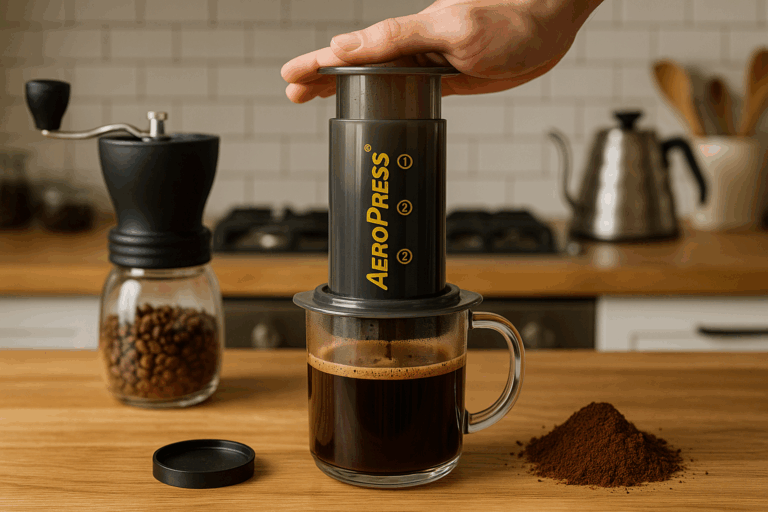
- AeroPress: Medium-fine
Invest in a burr grinder rather than a blade grinder — it gives consistent grind size, which is crucial for even extraction.
Choose the Right Water
Coffee is 98% water. If your water tastes off, your coffee will too.
Tips:
- Use filtered or bottled water
- Avoid distilled water (it lacks minerals important for flavor extraction)
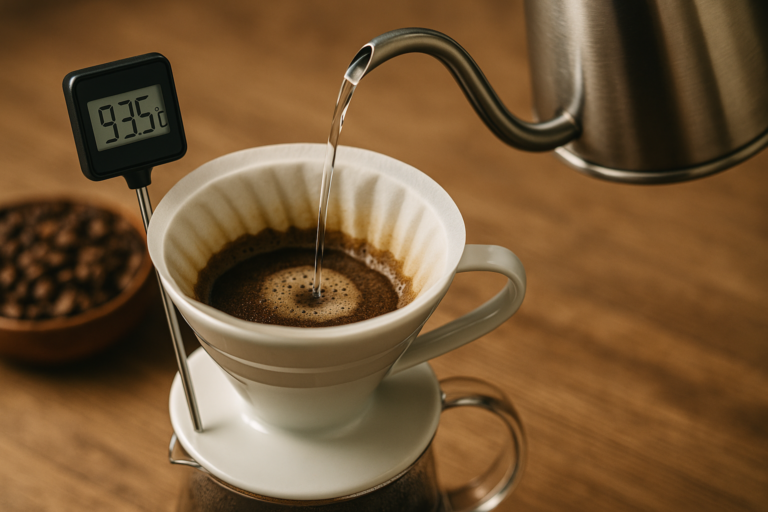
- Ideal water temperature: 90°C–96°C (195°F–205°F)
Never boil water and pour it directly over coffee — it can burn the grounds and create a bitter taste.
Perfect Your Brewing Ratio
A good starting ratio is 1:15 to 1:17 — that’s 1 gram of coffee for every 15 to 17 grams of water.
Example:
- 20g of coffee → 300ml of water (1:15 ratio)
Use a kitchen scale to get this right. Precision leads to consistency and better flavor.
Select Your Brewing Method
Each brewing method brings out different qualities of your beans. Here’s a quick overview of popular home methods:
1. Pour Over (e.g., Hario V60, Chemex)
- Bright, clean taste
- Allows control over pour rate and water temperature
2. French Press
- Bold, full-bodied coffee
- Simple and ideal for beginners
3. AeroPress
- Quick and versatile
- Great for travel and experimenting
4. Espresso Machine
- Intense, concentrated flavor
- Requires practice but worth it for espresso lovers
5. Moka Pot
- Strong, stovetop espresso-style coffee
- Compact and easy to use
Each method requires a specific grind size and technique, so follow guides tailored to your choice.
Master the Pour
If using a pour-over or French press, your pouring technique matters.
The Bloom:
Pour just enough hot water to wet the coffee grounds and wait 30–45 seconds. This releases carbon dioxide and allows for even extraction.
Circular Motion:
Pour slowly in a circular motion, starting from the center and moving outward, to saturate all grounds equally.
Time Matters
Different methods require different brew times:
- Pour Over: 2.5 to 4 minutes
- French Press: 4 minutes
- AeroPress: 1 to 2 minutes
- Espresso: 25 to 30 seconds
- Moka Pot: Until you hear bubbling
Over-extraction can make coffee bitter; under-extraction can make it sour and weak.
Clean Your Equipment Regularly
Even the best beans can’t save coffee brewed in dirty equipment. Oils and old coffee residue affect flavor and may even promote mold.
Cleaning Tips:
- Rinse your gear after each use
- Deep clean weekly with vinegar or a descaling solution
- Replace filters and clean water tanks on machines monthly
Store Your Coffee Properly
Keep your coffee beans fresh by avoiding heat, light, air, and moisture.
Do:
- Store in an opaque, airtight container
- Keep in a cool, dark place
Don’t:
- Store in the fridge or freezer (humidity can cause mold)
- Leave beans in the original bag after opening
Experiment and Track
Every coffee is a chance to improve. Keep a coffee journal with:
- Bean origin
- Roast level
- Grind size
- Water ratio
- Brew time
- Taste notes
Over time, you’ll develop your own perfect cup based on your preferences.
When It All Comes Together
Making perfect coffee at home isn’t about expensive gadgets — it’s about paying attention to the details. With quality beans, proper grinding, fresh water, and a mindful brewing process, every morning can start with a cup that rivals your favorite café.