How to Make Café au Lait and Other Milk-Based Coffees
Milk-based coffee drinks are beloved around the world for their comforting texture, balanced flavor, and café-style presentation. Whether you’re starting your day with a creamy cup or treating yourself in the afternoon, these drinks offer variety and depth that go far beyond plain coffee. In this guide, you’ll learn how to make a traditional café au lait—and explore other milk-based coffee styles you can make at home.
What Is Café au Lait?
Café au lait, French for “coffee with milk,” is a classic European drink made with equal parts brewed coffee and steamed milk. It’s not to be confused with a latte, which uses espresso and a higher ratio of milk. The key to café au lait is strong brewed coffee like French press or drip combined with hot, untextured milk.
Traditional Café au Lait Recipe
Ingredients:
- ½ cup strong brewed coffee
- ½ cup hot milk (whole milk recommended)
- Optional: Sugar or sweetener to taste
Instructions:
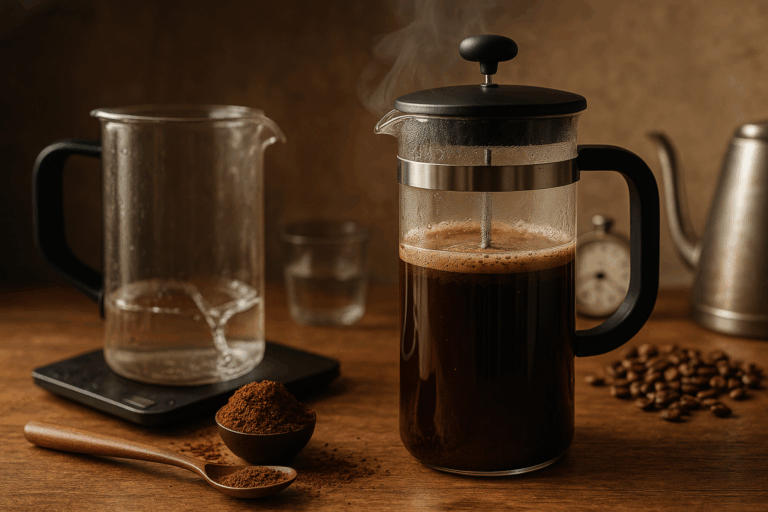
- Brew a strong cup of coffee using French press or drip. Aim for a 1:14 coffee-to-water ratio for bold flavor.
- Heat milk on the stove or in the microwave until it steams (avoid boiling).
- Pour the hot milk into your brewed coffee. Stir gently.
- Add sugar if desired and serve in a wide-mouthed mug.
Tip: For a French-style experience, serve it with a croissant or toast.
How Is It Different from Other Milk Coffees?
The world of milk-based coffee drinks is wide, but here’s how café au lait compares:
| Drink | Coffee Base | Milk Type | Ratio | Foam |
|---|---|---|---|---|
| Café au lait | Drip/French press | Steamed milk | 1:1 | No |
| Latte | Espresso | Steamed milk + light foam | 1:3 | Yes |
| Cappuccino | Espresso | Steamed milk + thick foam | 1:1:1 | Yes |
| Flat White | Espresso | Steamed microfoam | 1:2 | Light |
| Macchiato | Espresso | A dollop of milk/foam | Mostly coffee | Minimal |
Tools You’ll Need
You don’t need fancy gear to make milk-based coffee. Here’s a basic list:
- Coffee brewer (French press, drip machine, or espresso maker)
- Saucepan or microwave-safe container (for heating milk)
- Whisk, French press, or milk frother (for foam, if desired)
- Mug or latte glass
Optional:
- Thermometer (ideal milk temperature is 140–155°F or 60–68°C)
- Flavoring syrups or cinnamon shaker
How to Steam or Froth Milk at Home
Even without an espresso machine, you can create steamed or frothy milk with basic kitchen tools:
Method 1: French Press
Pour hot milk into the French press and pump vigorously until frothy.
Method 2: Jar Shake
Heat milk in a jar (no lid), then seal and shake vigorously. Be careful with steam buildup.
Method 3: Whisk
Whisk heated milk in a bowl until bubbles form.
Method 4: Handheld Frother
Use a battery-powered frother for quick, even foam.
Variations of Milk-Based Coffees to Try
1. Café Latte
- 1 part espresso
- 3 parts steamed milk
- Light foam on top
Often flavored with vanilla, caramel, or hazelnut.
2. Cappuccino
- Equal parts espresso, steamed milk, and foam
- Serve in smaller cups for a punchier drink
Garnish with cocoa powder or cinnamon.
3. Flat White
- 1 shot of espresso
- 2 parts steamed milk with thin microfoam
Popular in Australia and New Zealand.
4. Macchiato
- 1 shot of espresso
- Topped with just a spoonful of steamed milk or foam
Great for those who prefer bold coffee flavor.
5. Café Bombón
- 1 shot espresso
- Equal part sweetened condensed milk
Stirred together to create a dessert-like drink.
6. Spanish Cortado
- Equal parts espresso and steamed milk
- Less foamy than cappuccino
Ideal balance of strength and smoothness.
How to Flavor Your Milk-Based Coffee
Flavored coffee can elevate your experience. Here are easy add-ins:
- Vanilla extract – A few drops for sweetness
- Cinnamon or nutmeg – Sprinkle on top
- Maple syrup – A natural sweetener with depth
- Cocoa powder – For a mocha touch
- Flavored syrups – Like hazelnut, caramel, or pumpkin spice
DIY Vanilla Syrup:
- 1 cup water
- 1 cup sugar
- 1 tsp vanilla extract
Boil water and sugar until dissolved, then stir in vanilla.
Best Milk Types to Use
Your choice of milk greatly impacts texture and flavor:
| Milk Type | Frothing Ability | Taste | Best For |
|---|---|---|---|
| Whole milk | Excellent | Creamy | Lattes, cappuccinos |
| 2% milk | Good | Mild | Everyday use |
| Oat milk | Great (barista-style) | Nutty/sweet | Vegan drinks |
| Almond milk | Decent | Light | Iced drinks |
| Soy milk | Froths well | Neutral | Lattes |
| Coconut milk | Poor | Distinctive | Specialty drinks |
How to Serve It Like a Café
- Use ceramic mugs or latte glasses
- Garnish with chocolate shavings or cinnamon
- Serve with biscotti, croissants, or toast
- Add latte art using a spoon and microfoam
Troubleshooting Common Issues
Milk not frothing?
Try whole or barista-style oat milk. Avoid overheating.
Coffee too weak?
Brew stronger or use espresso if available.
Foam collapses quickly?
Overheated milk breaks foam. Keep under 155°F.
Not creamy enough?
Blend coffee and milk together briefly to emulsify.
Make It Part of Your Routine
Milk-based coffee can turn your mornings into a comforting ritual. Once you master the basics, you can personalize your drink and even create seasonal versions—like cinnamon lattes in fall or iced café au lait in summer. With minimal tools, you can craft beverages that feel indulgent and professional from the comfort of your kitchen.