Cold Brew vs. Iced Coffee: What’s the Difference, and Which Should You Drink?
With temperatures rising and cafés expanding their summer menus, two chilled coffee options often dominate the scene: cold brew and iced coffee. Though both are served cold, these drinks differ drastically in terms of brewing method, flavor, caffeine content, and even health impact.
In this article, we break down the key differences between cold brew and iced coffee and help you decide which one best suits your taste, lifestyle, and brewing preferences.
The Basics: What Are They?
❄️ Iced Coffee
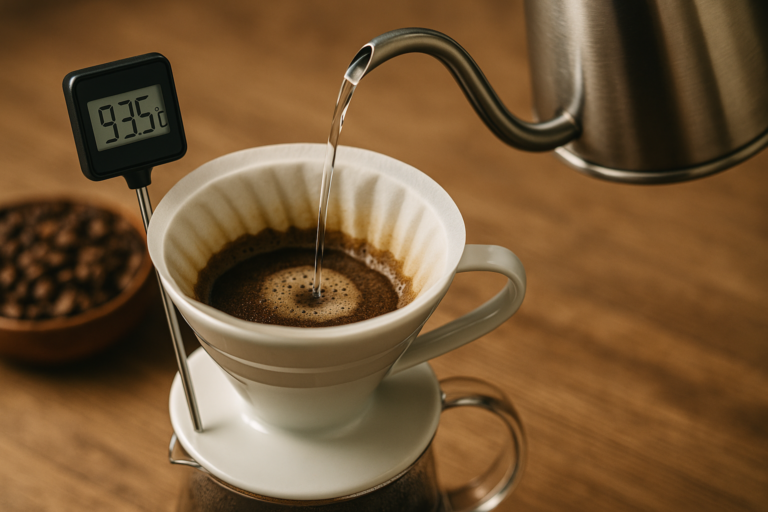
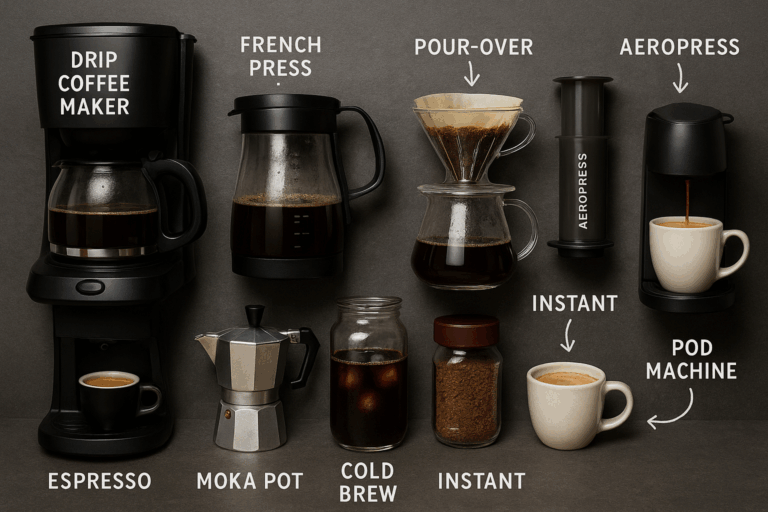
Iced coffee is regular hot-brewed coffee that is cooled and served over ice. It can be brewed via drip machine, pour-over, or French press.
How it’s made:
- Brew coffee using hot water (standard method)
- Let it cool to room temperature
- Pour over ice and optionally sweeten or add milk
Time required: ~5–10 minutes
Equipment: Any regular coffee brewer
🧊 Cold Brew
Cold brew is brewed without heat over a much longer period. Ground coffee is steeped in cold or room-temperature water for 12 to 24 hours, then filtered and served cold.
How it’s made:
- Combine coarse coffee grounds and water (usually 1:8 ratio)
- Steep for 12–24 hours
- Filter and serve over ice or diluted
Time required: ~12+ hours
Equipment: Cold brew maker, mason jar, or French press
Key Differences at a Glance
| Feature | Iced Coffee | Cold Brew |
|---|---|---|
| Brew Method | Hot water | Cold water steeping |
| Time Required | 5–10 minutes | 12–24 hours |
| Flavor Profile | Bright, acidic | Smooth, chocolatey |
| Body | Lighter | Fuller, syrupy |
| Bitterness | Higher | Lower |
| Acidity | Higher | Lower |
| Caffeine Content | Lower (per ounce) | Higher (often double) |
| Shelf Life | 1 day | Up to 7–10 days (fridge) |
Flavor Profiles: What to Expect
Iced Coffee
Because it’s brewed hot, iced coffee retains acidity and brightness. It’s ideal for showcasing floral and fruity beans but can sometimes taste bitter or diluted once poured over ice.
Ideal beans: Washed Ethiopian, Kenyan, and high-altitude Central American varieties
Taste notes: Citrus, berry, tea-like, floral
Cold Brew
The slow steeping process extracts more low-end flavors resulting in a rich, mellow drink that’s smoother and less acidic.
Ideal beans: Chocolatey or nutty profiles like Brazilian, Guatemalan, or blends
Taste notes: Cocoa, caramel, nuts, dried fruit
Caffeine Content: Which Packs More Punch?
Cold brew typically contains more caffeine per serving, but it depends on how it’s prepared.
- A cold brew concentrate can have 2–3x the caffeine of iced coffee
- However, if diluted properly, both can contain similar caffeine levels
For those watching caffeine intake, iced coffee may be easier to moderate.
Health and Digestion
Due to its lower acidity, cold brew is often better tolerated by people with:
- Acid reflux
- Sensitive stomachs
- Dental enamel concerns
Cold brew is also less bitter, which may reduce the need for added sugar or cream making it a healthier option for some.
Which One Should You Choose?
Choose Iced Coffee if you:
- Want a bright, refreshing drink
- Prefer traditional hot-brewed flavor
- Enjoy fruit-forward or floral coffees
- Need your caffeine now
Choose Cold Brew if you:
- Prefer a smooth, chocolatey cup
- Want a lower-acid option
- Like stronger or more concentrated drinks
- Don’t mind waiting overnight
DIY Recipes
Iced Coffee (Quick Recipe)
- Brew 1.5x your normal coffee strength
- Let it cool slightly
- Pour over a cup full of ice
- Add sugar or milk to taste
Optional: Brew directly over ice using a pour-over to preserve flavor
Cold Brew (Home Recipe)
- Mix 100g coarse coffee with 800g cold water
- Stir and cover in a jar
- Let sit for 16 hours at room temp or in fridge
- Filter through fine mesh or paper
- Dilute with water or milk and serve over ice
Store in fridge for up to a week!
Cold Coffee Trends to Watch
- Nitro Cold Brew: Infused with nitrogen for a creamy, stout-like mouthfeel
- Flash Brew: Hot brewed directly over ice—preserves acidity while chilling quickly
- Cold Brew Tonics: Mixed with sparkling water or citrus for a refreshing twist
- Japanese-style iced coffee: Hot brewed but immediately chilled for max flavor
Final Thoughts
While iced coffee and cold brew share a serving temperature, they deliver completely different experiences. Iced coffee is bright, fast, and traditional; cold brew is smooth, slow, and bold. Your preference might depend on your mood, the weather, or even the beans you’re using.
Two Chilled Paths to Coffee Bliss
No matter which cold drink you choose, both are delicious ways to beat the heat and explore new flavor dimensions. So brew it slow, chill it fast, or mix it up and make your summer coffee ritual your own.