10 Simple Tips to Improve Your Pour-Over Coffee at Home
Pour-over coffee is more than a brewing method it’s a ritual. It’s about slowing down and savoring the process while extracting the purest flavors from your beans. If you’re not quite satisfied with your homemade pour-over, don’t worry. With a few simple tweaks, you can elevate your coffee game significantly.
Here are 10 practical tips to help you make pour-over coffee like a pro, even if you’re just starting out.
1. Use Freshly Roasted, High-Quality Beans
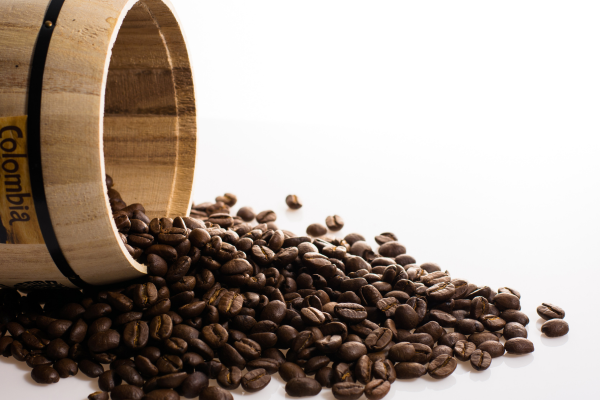
No matter how good your technique is, you can’t make great coffee with bad beans. Freshness matters.
- Look for the roast date, not just the expiration date.
- Use beans within two to four weeks of roasting.
- Buy from local roasters or reputable online stores.
Opt for Arabica beans with clear flavor notes and avoid overly oily, dark roasts unless you specifically like strong, bitter flavors.
2. Grind Your Coffee Just Before Brewing
Pre-ground coffee loses its aroma and flavor quickly. Grinding just before you brew ensures maximum freshness and better extraction.
- Use a burr grinder for even, consistent grind size.
- For pour-over, aim for a medium-fine grind — similar to table salt.
Uneven grinds can cause over-extraction (bitter) or under-extraction (sour), so consistency is key.
3. Measure Your Coffee and Water Accurately
Eyeballing your ratios can result in an unbalanced brew. Use a digital scale to measure your ingredients.
Start with a basic ratio:
- 1 gram of coffee for every 15 to 17 grams of water.
- Example: 20g coffee → 300g water (1:15 ratio).
Experiment with the ratio until you find your perfect balance of strength and flavor.
4. Use the Right Water Temperature
If the water is too hot, it can scald the coffee. Too cool, and it won’t extract enough flavor.
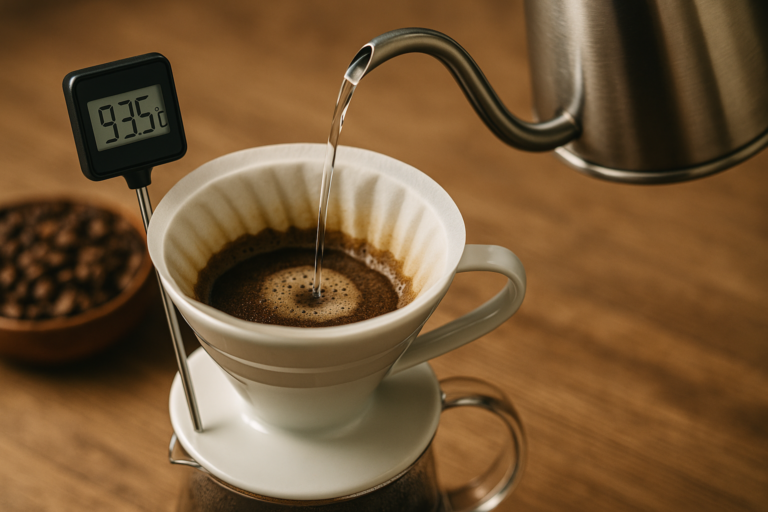
- Ideal temperature: 90°C to 96°C (195°F to 205°F).
- If you don’t have a thermometer, let boiled water sit for 30 seconds before pouring.
Using the right temperature avoids bitter or weak coffee and brings out the best in your beans.
5. Rinse the Filter First
Before you add coffee to the filter, rinse it with hot water. This:
- Removes paper taste from the filter.
- Warms the carafe or cup for better temperature stability.
Discard the rinse water before adding your grounds.
6. Let the Coffee “Bloom”
The bloom is a quick release of carbon dioxide that happens when hot water first hits the coffee grounds.
- Pour a small amount of water (double the weight of the grounds).
- Wait 30 to 45 seconds before continuing your pour.
Skipping this step can lead to uneven extraction and sour flavors.
7. Pour Slowly and Evenly
The way you pour water affects how evenly the coffee grounds are saturated and extracted.
Tips for the perfect pour:
- Use a gooseneck kettle for control.
- Pour in slow, circular motions.
- Avoid pouring directly on the filter edges.
- Aim to finish your pour in 2.5 to 3.5 minutes depending on grind and coffee type.
Rushing this step can cause channeling — where water flows unevenly and extracts some grounds more than others.
8. Use Filtered Water
Since coffee is mostly water, the quality of your water dramatically impacts taste.
- Use filtered or bottled water.
- Avoid distilled water (lacks minerals needed for flavor extraction).
- Hard tap water can leave mineral buildup in your gear and affect taste.
Better water = better coffee.
9. Keep Your Equipment Clean
Coffee oils and residues can accumulate quickly and turn even the best beans into a stale mess.
- Rinse your gear thoroughly after each use.
- Deep clean your dripper, kettle, and grinder every week or two.
- Use baking soda, vinegar, or specialized descaling products if needed.
Consistently clean equipment keeps your coffee pure and flavorful.
10. Experiment and Keep Notes
Coffee brewing is both a science and an art. To improve, track your process and adjust variables.
Keep a simple log:
- Bean origin and roast
- Grind size
- Coffee-to-water ratio
- Water temperature
- Brew time
- Flavor notes
By learning from each cup, you’ll refine your technique and develop a deeper appreciation for what makes a perfect pour-over.
Brewing Great Coffee Is All in the Details
Improving your pour-over isn’t about fancy gadgets — it’s about intention. Small adjustments in grind size, pouring technique, and freshness can dramatically change the flavor in your cup. It may take some trial and error, but that’s part of the joy.
Soon enough, you’ll be able to brew a cup of coffee that rivals any specialty café all from the comfort of your own kitchen.