Does Organic Coffee Taste Better?
With growing interest in sustainability, wellness, and conscious consumerism, organic coffee has become increasingly popular. Many people associate it with better health, cleaner production, and even superior taste. But does organic coffee really taste better or is it just a label?
In this article, we’ll explore what organic coffee really is, how it differs from conventional coffee, and whether it has a noticeable impact on flavor, quality, and the environment.
What Does “Organic Coffee” Mean?
Organic coffee is grown without the use of synthetic fertilizers, pesticides, herbicides, or genetically modified organisms (GMOs). Instead, organic farming relies on natural processes, crop rotation, composting, and biological pest control to maintain soil health and plant vitality.
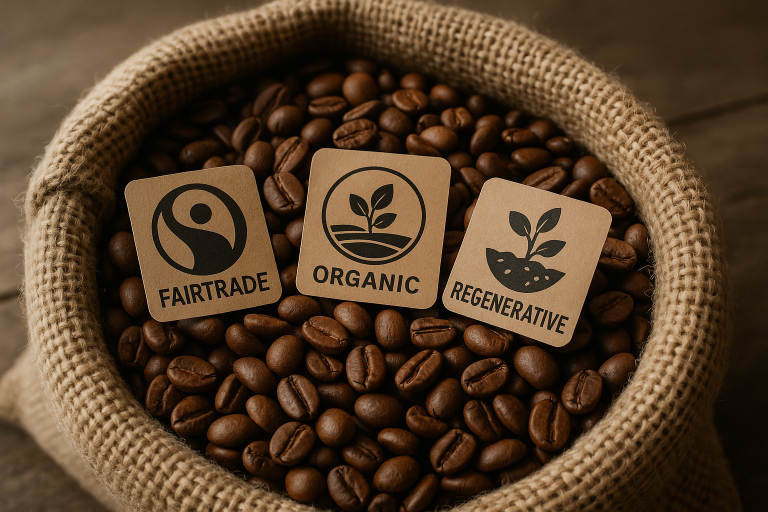
To be officially labeled as “organic,” coffee must be certified by an accredited organization (such as USDA Organic in the U.S. or EU Organic in Europe), and farmers must follow strict guidelines for:
- Soil health
- Water conservation
- Ecosystem balance
- Prohibited substances (like chemical sprays)
How Organic Farming Affects Coffee
1. Healthier Soil and Plants
Organic practices improve soil structure, which allows coffee trees to absorb more nutrients naturally. Healthier plants often produce higher-quality cherries, which can lead to better-tasting beans.
2. Slower, Natural Growth
Without chemical accelerators, coffee trees grown organically take longer to mature. This slower growth can result in denser beans with more concentrated flavor similar to the effects of high-altitude growing.
3. Environmental Impact
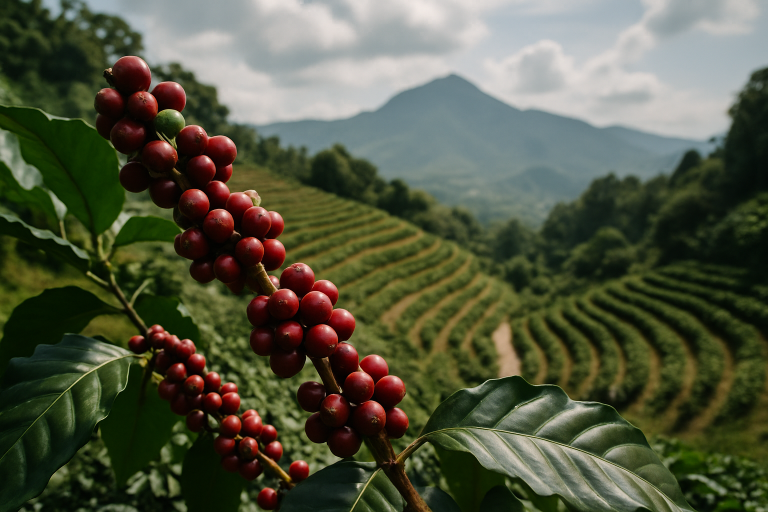
Organic farms often use shade-grown techniques, preserving local forests, encouraging biodiversity, and protecting water sources from contamination. This may not directly impact taste, but it contributes to a cleaner, more sustainable cup.
Does Organic Coffee Taste Different?
The short answer: it depends.
Organic certification focuses on how coffee is grown not how it’s processed, roasted, or brewed. The flavor of coffee depends on many other factors, including:
- Bean variety
- Origin and altitude
- Processing method (washed, natural, honey)
- Roast profile
- Freshness
- Brewing method
However, many organic coffees do taste excellent not because they’re organic, but because they come from farms that focus on quality, sustainability, and ethical practices.
When Organic Coffee Might Taste Better:
- The farm also emphasizes careful harvesting and processing
- Beans are freshly roasted and light to medium roasted to preserve complexity
- The producer is focused on small-batch quality, not just the label
When Organic Coffee Might Taste Worse:
- The beans are low-quality but marketed with the organic label to increase sales
- The roast is overly dark to mask inconsistencies
- The coffee is old, stale, or improperly stored
In short: Organic doesn’t guarantee better flavor but it often comes from producers who care deeply about their craft, which does influence taste.
Organic vs. Conventional Coffee
| Aspect | Organic Coffee | Conventional Coffee |
|---|---|---|
| Chemicals | Grown without synthetic pesticides or fertilizers | May use chemical sprays and industrial farming methods |
| Certification | Must meet strict guidelines and inspections | No certification required |
| Environmental impact | Lower—focus on biodiversity, clean water, healthy soil | Higher—can cause deforestation and water pollution |
| Cost | Often higher due to labor and certification | Usually cheaper and produced at scale |
| Flavor | Can be excellent, especially in small-batch roasts | Wide range—some great, some average |
Should You Always Buy Organic?
Not necessarily. While organic is a great option for environmentally conscious consumers, flavor and quality depend more on origin, processing, roast, and freshness than on certification alone.
Many non-organic coffees are still responsibly grown, and some small farms can’t afford organic certification even if they follow the same sustainable practices.
If you’re choosing between:
- A mass-produced organic brand with little info on roast or origin
vs. - A small-batch, traceable, ethically sourced coffee that isn’t certified organic
…the second one might taste better and have just as much environmental care behind it.
How to Choose the Best Organic Coffee
If you want organic coffee that also tastes amazing, look for these things:
- Fresh roast date
- Transparent origin (country, region, farm)
- Light or medium roast to preserve complexity
- Processing method (washed or natural for different flavor profiles)
- Certifications plus context—some companies offer additional info about sustainability beyond the label
Bonus tip: Look for roasters who work directly with farmers or cooperatives and publish sourcing information. This often signals a higher level of quality and ethical standards.
Final Word: It’s About More Than a Label
Organic coffee can taste amazing but not just because it’s organic. The real magic happens when great farming, ethical sourcing, and skilled roasting come together. If you care about health and sustainability, choosing organic coffee from trusted roasters is a great way to align your values with your daily brew.
But don’t overlook excellent non-organic coffees that are transparently sourced, ethically produced, and roasted with care. The best coffee is grown with intention, roasted with precision, and brewed with love regardless of its certification.