How to Choose High-Quality Coffee Beans
For many coffee lovers, the quality of the beans is the foundation of a great cup. You can have the best brewing gear, perfect water temperature, and ideal grind size but if your beans are low quality, your coffee will be too. Choosing high-quality coffee beans doesn’t have to be complicated, but it does require knowing what to look for.
In this guide, you’ll learn how to identify truly great coffee beans, what terms and labels actually mean, and how to shop smart whether you’re buying at a specialty shop or online.
Why Bean Quality Matters
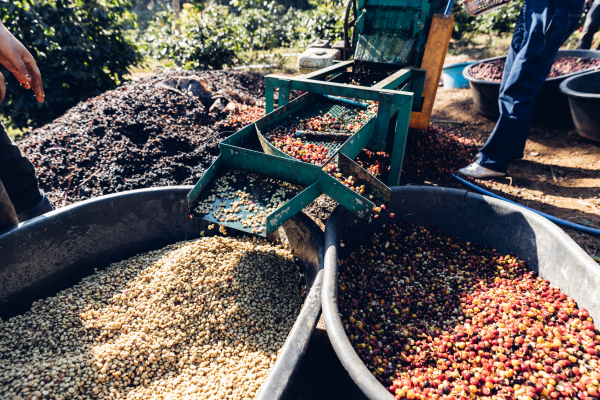
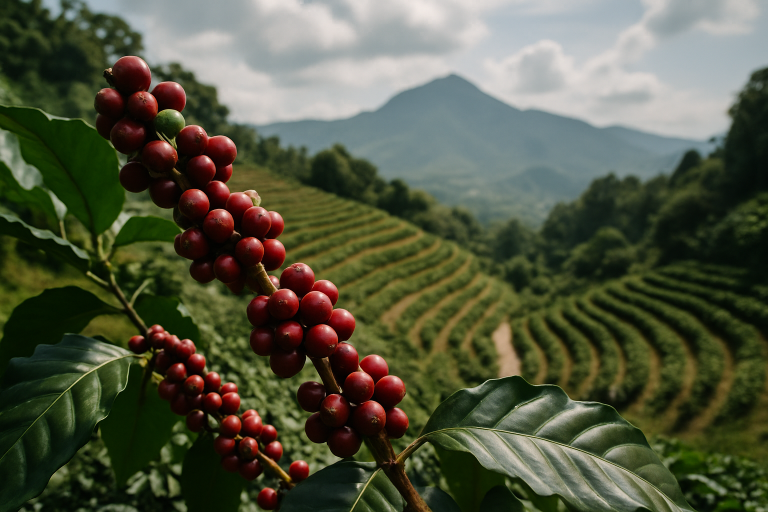
Coffee is a fruit—specifically, a seed from the cherry of the coffee plant. Like wine grapes, the quality of the raw material affects the final flavor. High-quality beans result in:
- Better flavor complexity
- Cleaner taste
- Greater freshness
- A more enjoyable and consistent brew
Lower-quality beans, often used in commodity or supermarket coffee, are roasted to mask defects, resulting in bitterness, flatness, or burnt notes.
Step 1: Understand the Coffee Bean Types
There are two main types of beans you’ll encounter:
Arabica (Coffea arabica)
- Grown at higher altitudes
- More nuanced, sweet, and acidic
- Often used in specialty coffee
Robusta (Coffea canephora)
- Grown at lower altitudes
- Stronger, more bitter, and more caffeinated
- Often used in instant coffee or espresso blends
For the best flavor, especially if you brew black coffee or pour-over, Arabica is the preferred choice.
Step 2: Know the Origin
Where coffee is grown has a big impact on its flavor. Look for origin information on the bag. High-quality beans typically list:
- Country (e.g., Ethiopia, Colombia)
- Region (e.g., Sidamo, Huila)
- Farm or cooperative
- Altitude (usually above 1,000 meters is best)
- Processing method (washed, natural, honey)
Each region has distinct taste profiles. For example:
- Ethiopia: Floral, fruity, tea-like
- Colombia: Chocolatey, balanced
- Kenya: Berry, citrus, bright acidity
- Brazil: Nutty, low-acid, full-bodied
Step 3: Look at the Roast Date
Freshness is critical. Coffee is best consumed within 2–4 weeks after roasting. Always check for a roast date, not just an expiration date.
Avoid bags that only show a “best by” date, it often means the beans are industrially roasted and meant to sit on a shelf for months.
Tip: If buying in-store, don’t grab the first bag. Check the roast date carefully.
Step 4: Choose the Right Roast Level
Your taste and brew method should determine roast level:
- Light Roast: Preserves origin flavor; ideal for pour-over and black coffee.
- Medium Roast: Balanced; good for drip, AeroPress, or French press.
- Dark Roast: Smoky, bitter, often used in espresso or milk-based drinks.
High-quality beans are often roasted light to medium to highlight their natural flavors.
Avoid overly oily beans—they’re usually over-roasted and can clog grinders.
Step 5: Examine Packaging Details
High-quality coffee often comes in thoughtful packaging, which might include:
- One-way degassing valves (lets gas out, keeps air out)
- Sealed bags for freshness
- Detailed labels with information about the origin, altitude, varietal, and process
- Transparency about sourcing—direct trade or ethical practices
Generic packaging with vague claims like “premium blend” or “gourmet roast” is a red flag.
Step 6: Smell and Visual Inspection (When Possible)
If you buy from a local roaster or café:
- Ask to smell the beans. They should smell fresh, aromatic, and inviting.
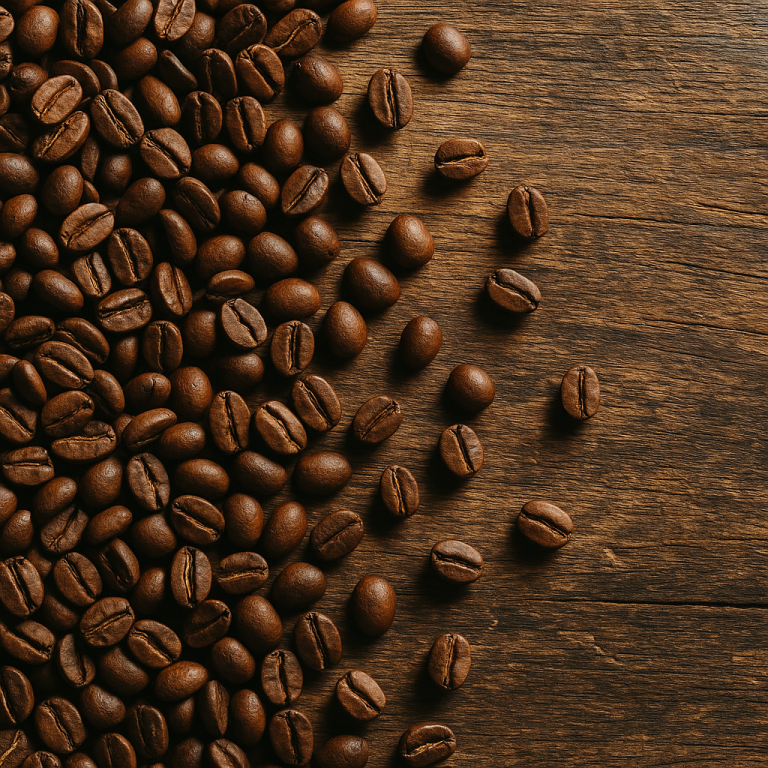
- Look at the color: Uniformity is a good sign.
- Check for defects: No chips, cracks, or discoloration.
At home, fresh beans should release a strong aroma when you open the bag and give off carbon dioxide during brewing (blooming effect).
Step 7: Buy Whole Beans, Not Ground
Always buy whole beans and grind just before brewing. Ground coffee loses flavor quickly—often within minutes. If you must buy pre-ground, use it within 1–2 weeks and store it properly.
Investing in a burr grinder (manual or electric) is one of the best things you can do to improve your coffee quality.
Step 8: Try Beans from Specialty Roasters
Local or online specialty roasters are your best source for high-quality beans. Look for companies that:
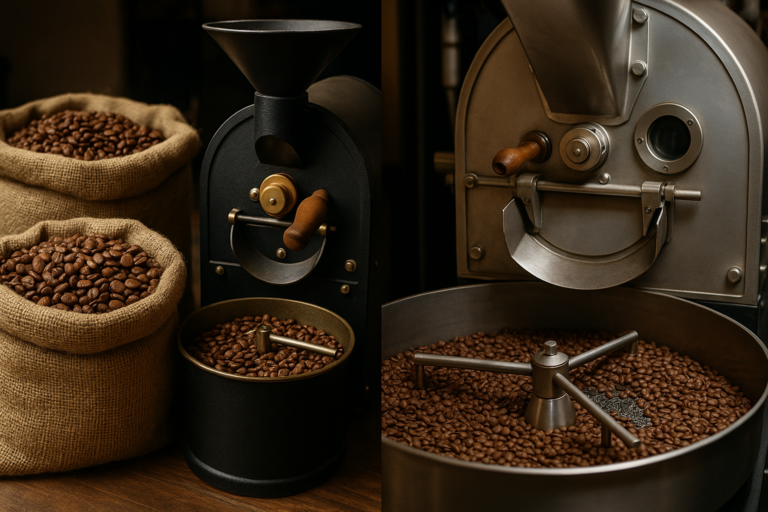
- Roast to order
- List detailed origin and roast info
- Practice direct or fair trade
- Offer seasonal or limited-lot coffees
Some well-regarded specialty roasters even provide tasting notes, recommended brew methods, and Q-grades (official coffee quality scores).
Step 9: Experiment and Keep Notes
One of the joys of specialty coffee is exploring different flavors. Try beans from various countries, processes, and roast levels.
Keep track of:
- Roast date and level
- Origin and region
- Brewing method used
- Your impression of the taste
This helps you learn what you love—and what to avoid.
Step 10: Avoid Gimmicks
Watch out for marketing that prioritizes style over substance. Examples include:
- “Charcoal roasted,” “double dark,” or “turbo strong”
- Fancy packaging with no roast date or origin info
- Extremely cheap coffee labeled as “premium”
Quality coffee costs more because it’s grown, processed, and roasted with care. If the price seems too good to be true, it probably is.
Final Thoughts
Choosing high-quality coffee beans doesn’t require expert knowledge it just takes attention to a few key details: freshness, origin, roast level, and ethical sourcing.
When you buy good beans, you’re not only improving your daily coffee, you’re supporting farmers, communities, and sustainable agriculture. And you’re opening the door to a world of complex, beautiful flavors you may have never noticed before.
The next time you shop for coffee, skip the vague supermarket blend and look for beans that tell a story from the farm all the way to your cup.