What Is Specialty Coffee and Why Does It Matter?
If you’ve ever walked into a third-wave coffee shop and seen the term “specialty coffee” on the menu, you might wonder what it really means. Is it just a marketing term? Does it refer to a specific origin or roast level? In fact, specialty coffee has a precise definition—and it represents a movement focused on quality, sustainability, and respect for every step of the coffee journey.
In this article, you’ll discover what makes coffee “specialty,” why it matters for consumers and producers, and how you can experience it at home.
What Does “Specialty Coffee” Mean?
Specialty coffee refers to coffee that scores 80 points or higher on a 100-point scale by a certified coffee taster (Q Grader) or licensed professional. The scoring system is standardized by the Specialty Coffee Association (SCA).
This scoring evaluates attributes like:
- Fragrance and aroma
- Flavor and aftertaste
- Acidity and body
- Uniformity and balance
- Clean cup and sweetness
For a coffee to be considered specialty, it must show exceptional quality from seed to cup—including how it’s grown, harvested, processed, roasted, and brewed.
A Quick History of Specialty Coffee
The specialty coffee movement began in the 1970s in the U.S., as coffee professionals started emphasizing the importance of bean origin and flavor profiles. Over time, this evolved into what’s now known as the third wave of coffee—where coffee is treated like fine wine, with transparency, traceability, and deep appreciation for craftsmanship.
Today, specialty coffee is a global industry that values relationships with producers, ethical sourcing, and quality control at every stage.
What Sets Specialty Coffee Apart?
1. Bean Quality
Only the best Arabica beans make it into the specialty category. These beans are hand-picked, carefully sorted, and free from major defects. The focus is on flavor, not just yield or cost.
2. Growing Conditions
Specialty coffee comes from regions with ideal climate and altitude for growing premium beans. Countries like Ethiopia, Colombia, Kenya, and Guatemala are well-known for producing high-quality lots.
Factors like soil composition, shade, and elevation influence the bean’s flavor, often resulting in unique notes like berry, citrus, chocolate, or floral aromas.
3. Processing Methods
After harvesting, beans can be processed in various ways:
- Washed (clean and bright flavors)
- Natural (fruit-forward and full-bodied)
- Honey (a balance of sweet and smooth)
Specialty coffee producers often experiment with innovative processing to enhance or highlight certain flavors.
4. Ethical Sourcing
Specialty coffee supports direct trade and transparent supply chains. Roasters often pay premium prices to farmers, helping ensure fair wages, reinvestment in communities, and sustainable practices.
This differs greatly from commodity coffee, where farmers may be paid below cost due to volatile global pricing.
5. Roasting Precision
Specialty coffee is roasted to highlight the bean’s origin flavors, not to mask defects with dark roasting. Lighter roasts are common in specialty coffee because they preserve delicate tasting notes.
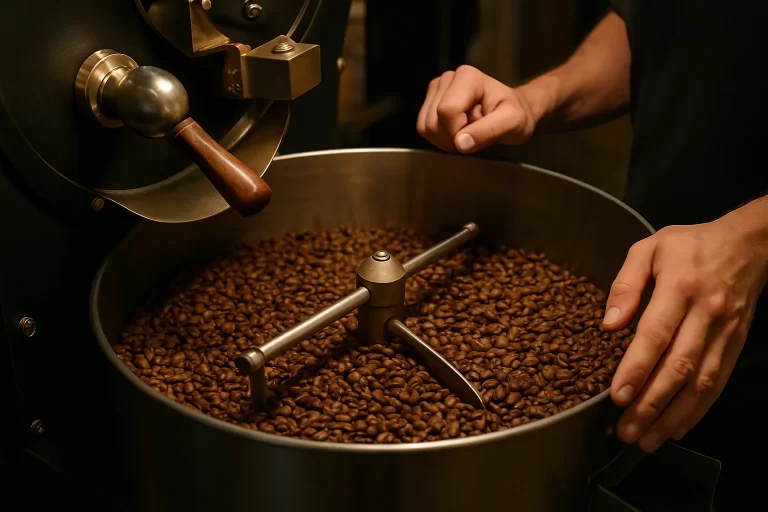
Small-batch roasters use precise profiles, data logging, and sensory analysis to roast consistently and intentionally.
6. Brewing Methodology
Even brewing is elevated in the specialty world. Manual methods like pour-over, Chemex, AeroPress, and siphon are preferred because they offer control and highlight clarity and complexity in flavor.
Baristas are trained to measure, time, and adjust every aspect of brewing, from grind size to water temperature, for consistency and excellence.
Why Specialty Coffee Matters
For Coffee Drinkers:
- Better flavor: Complex, nuanced, and clean cups—far beyond bitterness and burnt flavors.
- More knowledge: Labels often include country, region, altitude, varietal, process, and roast date.
- Personal connection: Knowing where your coffee comes from and how it was produced makes the experience more meaningful.
For Coffee Farmers:
- Fair compensation: Premium prices mean better livelihoods and financial security.
- Recognition: Exceptional farmers are celebrated and rewarded for quality.
- Sustainability: Investment in environmentally friendly farming practices.
For the Planet:
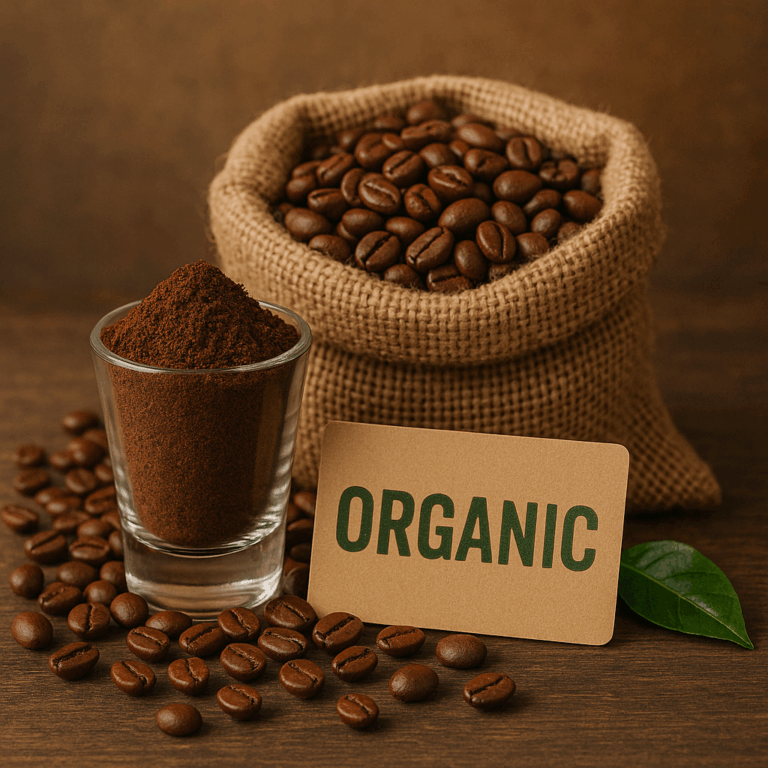
- Specialty farms often use shade-grown or organic practices, which protect ecosystems, reduce chemical use, and promote biodiversity.
Common Misconceptions About Specialty Coffee
- “It’s just expensive coffee.”
Not true—specialty coffee costs more because of its quality and ethical production, but many options are affordable. - “It’s only for coffee snobs.”
Specialty coffee is for anyone who enjoys flavor and values quality. You don’t need to know everything to enjoy it. - “All Arabica is specialty.”
Not all Arabica is specialty-grade. Many low-quality Arabica beans don’t meet the flavor, cleanliness, or processing standards.
How to Try Specialty Coffee at Home
- Buy from local roasters or reputable online sellers.
Look for full transparency on the label—origin, roast date, variety, process. - Grind fresh.
Invest in a burr grinder and grind your beans right before brewing for maximum flavor. - Use a manual brewing method.
Try pour-over or French press to control variables and bring out flavor. - Experiment.
Taste coffee from different regions. Try natural vs. washed. You’ll discover what you truly enjoy. - Store it right.
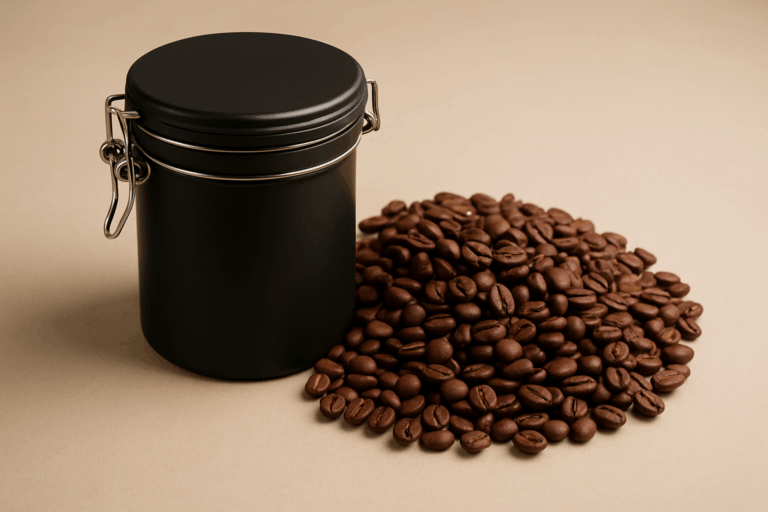
Keep beans in a sealed container, away from light, moisture, and heat. Avoid freezing.
Great Regions to Explore
- Ethiopia – Floral, fruity, tea-like coffees; often naturally processed.
- Colombia – Balanced, sweet, chocolatey notes; washed process.
- Kenya – Bright acidity with berry or citrus notes.
- Guatemala – Rich body with spice, cocoa, and toffee flavors.
- Costa Rica – Clean, sweet profiles; often honey-processed.
Each region—and even farm—can offer dramatically different taste experiences. That’s part of what makes specialty coffee so rewarding.
Final Thoughts
Specialty coffee is more than just high-quality beans—it’s a mindset and a movement. It values transparency, respect, ethics, and above all, flavor that tells a story. Whether you’re brewing at home or visiting a local café, choosing specialty coffee means you’re supporting a better, fairer, and more flavorful coffee world.
If you’re just beginning your journey into coffee, trying specialty beans is one of the best ways to explore new aromas, flavors, and brewing methods—and to appreciate the work behind every sip.