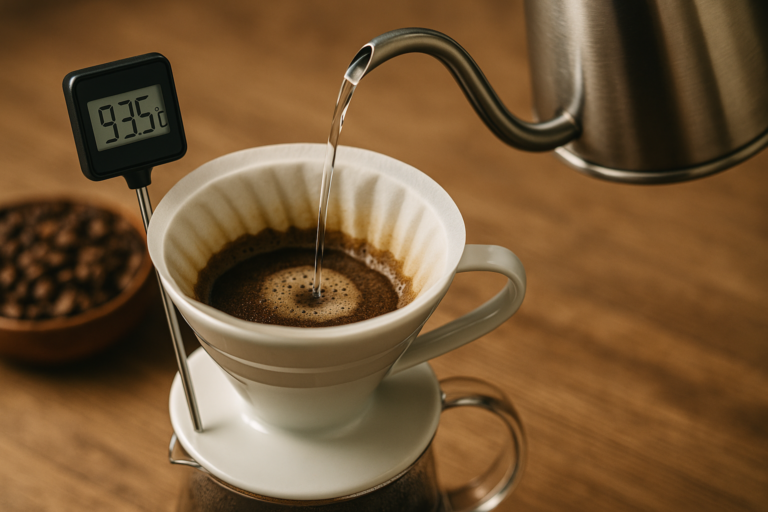
Smart Coffee Stations: How Technology Is Transforming the Home Brewing Experience
The modern coffee lover wants more than just a good cup they want precision, personalization, and convenience. Enter the era of smart coffee stations, where brewing equipment, apps, and automation come together to deliver café-quality results at home. Whether you’re an espresso purist or a pour-over enthusiast, technology is reshaping how we brew, enjoy, and even learn about coffee.
In this article, we’ll explore what defines a smart coffee station, the latest gadgets and integrations, and how to build one tailored to your style and needs.
What Is a Smart Coffee Station?
A smart coffee station integrates connected devices, sensors, and digital tools to help you brew coffee with greater accuracy and control. These stations can range from simple setups with app-enabled kettles and scales to fully automated espresso systems with machine learning algorithms.
Key Features of a Smart Coffee Setup:
- Precision temperature control
- Automated brewing profiles
- Bluetooth or Wi-Fi connectivity
- Recipe storage and repeatability
- Real-time feedback and diagnostics
Smart stations aren’t just about tech for tech’s sake they’re designed to improve consistency, reduce errors, and help you learn and evolve as a brewer.
Essential Components of a Smart Coffee Station
1. Smart Scale
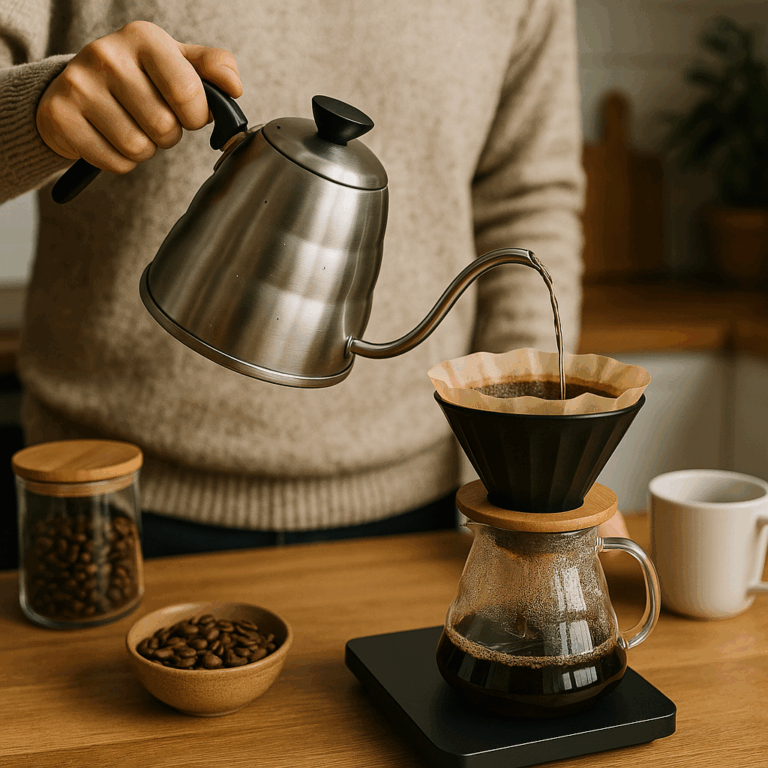
Brands like Acaia offer Bluetooth-enabled coffee scales that sync with your smartphone and track weight and time with milligram accuracy. These allow for precise ratio control and data logging.
2. Temperature-Controlled Kettle
Gooseneck kettles with temperature presets (e.g., Fellow Stagg EKG, Brewista Artisan) ensure optimal brewing temps for each coffee type. Many allow remote activation or real-time adjustments.
3. Connected Espresso Machines
Machines like the Decent DE1 or Breville Oracle Touch allow users to:
- Program extraction profiles
- Monitor pressure, temperature, and flow rates
- Save and share brew settings via the cloud
- Receive maintenance alerts and updates
4. Grinders with Memory Settings
High-end grinders like the Baratza Sette 270Wi can save grind sizes for different brew methods and offer weight-based dosing, reducing waste and inconsistency.
5. Coffee Apps and Ecosystems
Apps like:
- Acaia Brewguide: Syncs with scale to guide pour-overs step-by-step
- Espresso Recipes (by Decent Espresso): Share and analyze shot data
- Bean Conqueror: Manage bean inventory, brew logs, and grinder settings
- Home Connect (for smart machines): Control your espresso machine from your phone
These apps transform your smartphone into a brewing assistant, helping you replicate or tweak recipes.
Advanced Integrations
Voice Control & Smart Assistants
Some users integrate coffee gear with smart home ecosystems (e.g., Alexa, Google Home) to start kettles or machines with a voice command or schedule.
Example:
“Hey Google, start preheating the espresso machine.”
Machine Learning & AI
Modern espresso machines like the Decent DE1+ use data from past brews to predict optimal parameters for extraction based on grind size, roast level, and pressure feedback.
Brew Data Visualization
Advanced apps and machines offer live graphs showing:
- Temperature curves
- Pressure during extraction
- Brew time and flow rate
This information helps dial in shots more efficiently and understand how variables interact.
How to Design Your Own Smart Coffee Station
Whether you’re going full barista or just starting with smart upgrades, here’s how to build your station:
🔹 Step 1: Choose Your Brewing Method
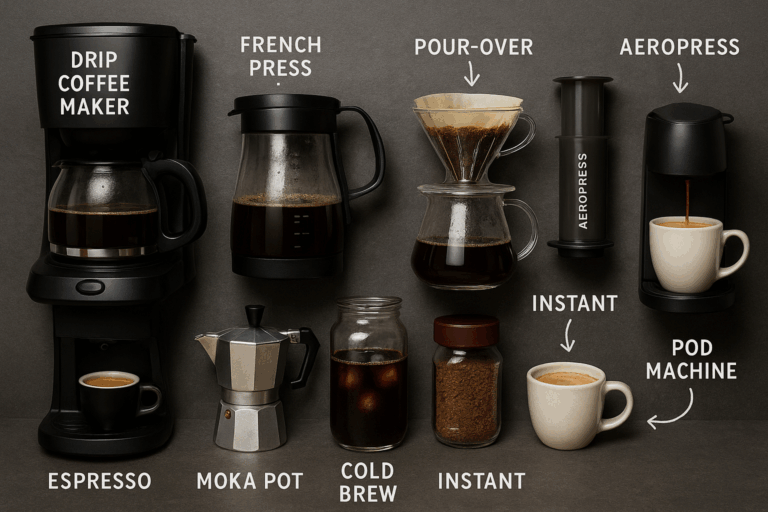
- Espresso lovers: Focus on pressure profiling and smart grinders
- Pour-over fans: Start with a smart scale and temperature-controlled kettle
- Batch brew/auto-drip: Look for machines with programmable brewing profiles
🔹 Step 2: Layout and Organization
Designate a space in your kitchen or office with:
- Power outlets for gear
- Shelving for beans and tools
- Lighting for clarity (and ambiance)
- Non-slip mat or station surface
🔹 Step 3: Connectivity and Sync
Choose gear that communicates across devices (e.g., scale + app + grinder) to minimize friction. Many devices use Bluetooth or Wi-Fi to integrate seamlessly.
🔹 Step 4: Keep It Modular
Start simple add smart devices one by one. For example:
- Smart scale
- App-controlled kettle
- Programmable espresso machine
- Smart grinder
This allows you to build confidence and upgrade as your skills and needs grow.
Benefits of a Smart Station
- Improved Consistency: Brew the same great cup every time
- Personalization: Tailor every parameter to your taste
- Data Tracking: Understand what’s working (and what’s not)
- Education: Learn from real-time feedback and community recipes
- Convenience: Automate tasks and streamline your workflow
Things to Consider
- Price: Smart gear tends to cost more, though prices are falling
- Connectivity: Some devices only sync with proprietary apps
- Learning Curve: More data can be overwhelming if not used wisely
- Maintenance: Smart gear still needs cleaning and care!
A Smarter Way to Brew
Coffee is both art and science. With the rise of smart stations, home brewers now have access to tools once reserved for professionals. Whether you’re optimizing espresso pressure curves or just enjoying repeatable pour-overs, the future of coffee is connected and delicious.
Brewing with Intelligence
A smart coffee station doesn’t brew for you it brews with you. It learns your preferences, refines your recipes, and helps you grow as a coffee enthusiast. With every dial-in and data point, you’re not just chasing the perfect cup you’re crafting your own brewing journey.