The Art and Science of the Perfect Roast: How Roasting Levels Shape Coffee Flavor
The journey from green coffee bean to aromatic brew is incomplete without the roasting process a stage where chemistry, artistry, and sensory intuition converge. Roasting coffee isn’t just about “making it brown.” It’s about unlocking the full flavor potential of the bean, amplifying or softening its natural characteristics depending on the roast level.
In this article, we’ll explore how roasting works, what different roast levels mean for taste and aroma, and how consumers can better choose the perfect roast for their palate.
What Happens During Coffee Roasting?
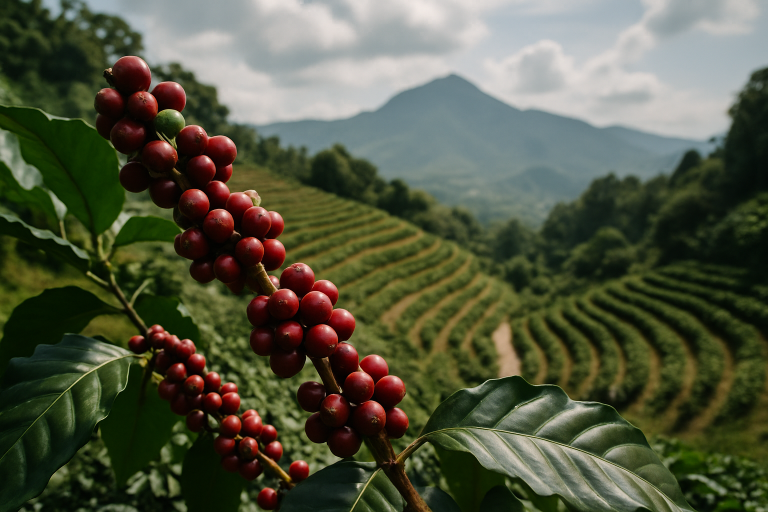
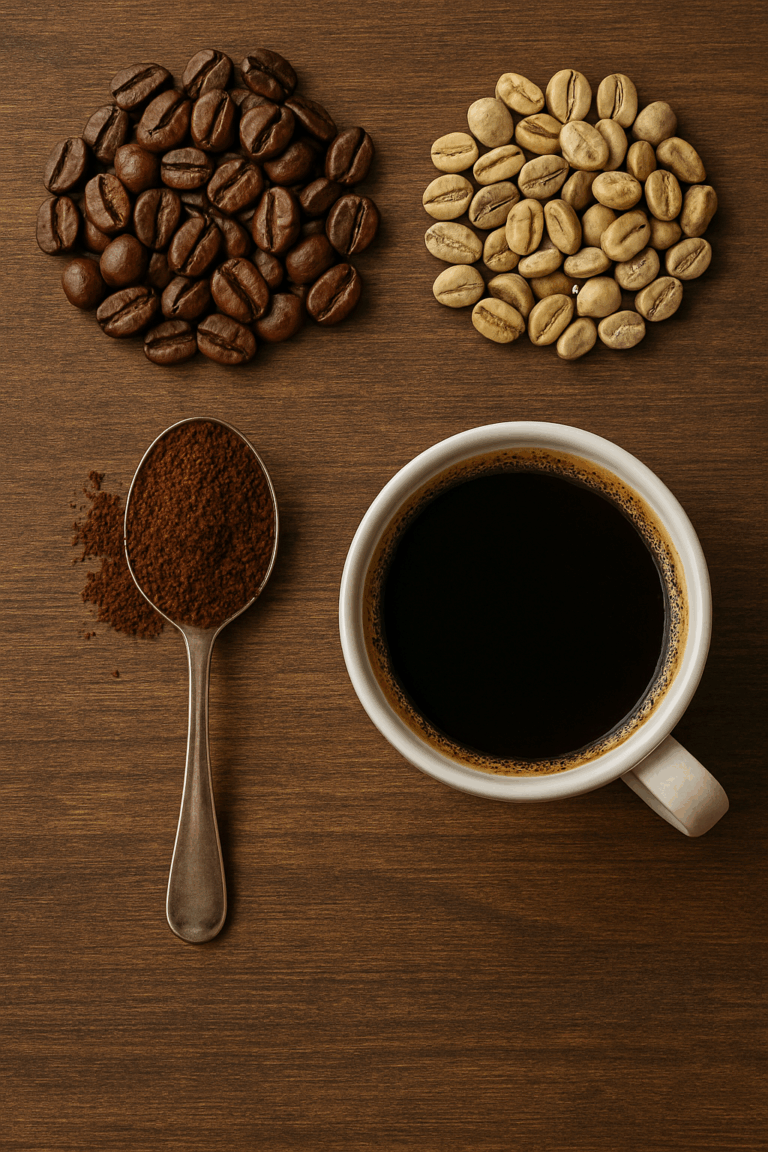
Coffee beans are the seeds of the coffee cherry, and in their raw, green state, they are soft and odorless. Roasting transforms them into aromatic, crunchy, and flavorful beans through a series of complex chemical reactions, primarily:
- Maillard reaction: A reaction between amino acids and sugars that creates browning and develops complex flavors
- Caramelization: The breakdown of sugars, contributing to sweetness and body
- Pyrolysis: The breakdown of cellular structures, releasing gases and transforming the bean’s texture and aroma
Roasting requires precision small differences in time, temperature, and airflow can drastically alter the final taste.
Roast Levels Explained
Roast level refers to how long and how hot the beans are roasted. Most roasters categorize their coffee into three main levels:
1. Light Roast
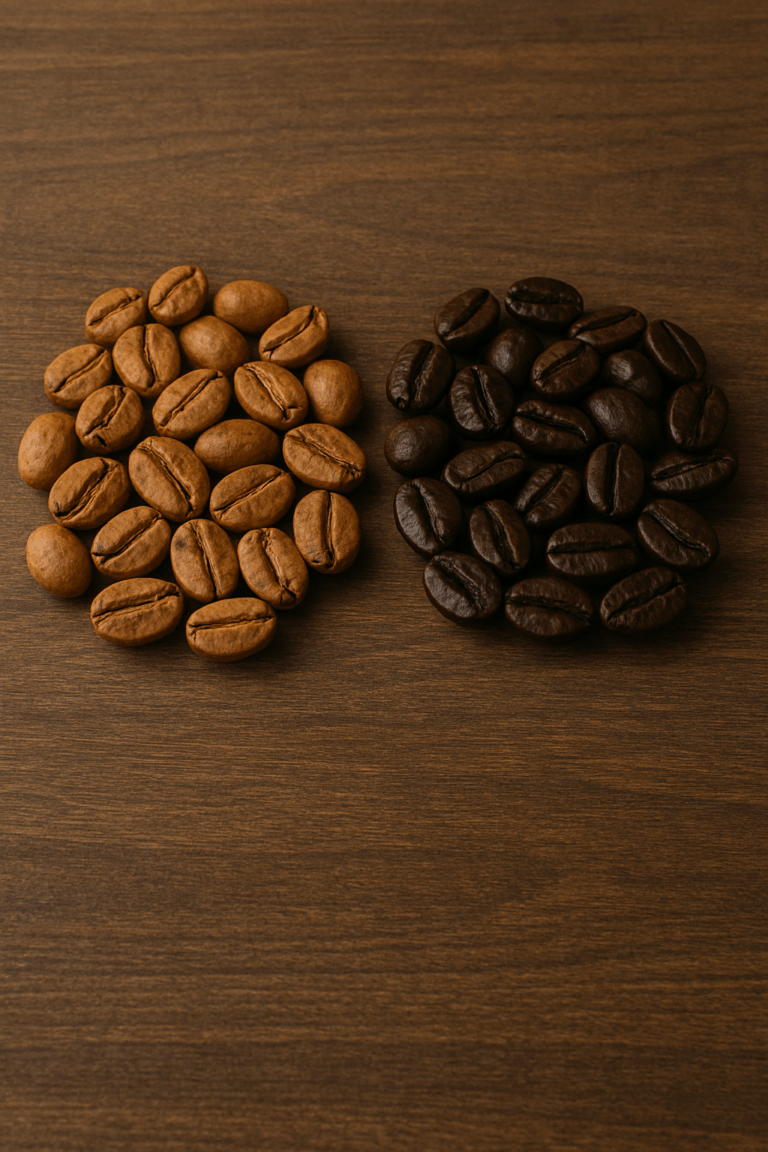
- Color: Light brown, no oil on surface
- Temperature range: 180–205°C (356–401°F)
- Flavor profile: High acidity, bright, fruity, floral, citrus
- Origin clarity: Best preserves the coffee’s terroir and varietal characteristics
- Texture: Crisp, tea-like body
Light roasts are preferred in the specialty coffee world for showcasing single-origin flavor and delicate notes.
Popular among: Third-wave cafés, pour-over enthusiasts, cupping professionals.
2. Medium Roast
- Color: Medium brown
- Temperature range: 206–218°C (403–424°F)
- Flavor profile: Balanced acidity and sweetness, nutty, chocolatey, caramel
- Origin clarity: Preserved but rounded
- Texture: Smooth body
This is the most common roast for both specialty and commercial coffees. It balances the natural flavors of the bean with the caramelized sugars from the roast.
Popular among: Drip coffee lovers, espresso drinkers who prefer balance.
3. Dark Roast
- Color: Dark brown to almost black, shiny with oil
- Temperature range: 220–240°C (428–464°F)
- Flavor profile: Bold, smoky, bitter, roasted, low acidity
- Origin clarity: Largely masked by roast flavors
- Texture: Heavy, syrupy body
Dark roasts are associated with traditional espresso, French press, and café-style coffee. They are less about origin and more about the roast character itself.
Popular among: People who like strong, full-bodied coffee or traditional European profiles.
Common Roast Styles and Names
Different regions and roasters may use unique names for roast levels. Here are some standard equivalents:
| Name | Approx. Roast Level |
|---|---|
| Cinnamon Roast | Light |
| City Roast | Medium-Light |
| Full City Roast | Medium-Dark |
| French Roast | Dark |
| Italian Roast | Very Dark |
| Vienna Roast | Between Medium and Dark |
Understanding these terms can help you interpret coffee labels more accurately.
How Roasting Affects Aroma and Taste
The roast level dramatically changes the volatile compounds in coffee, which affect aroma and flavor.
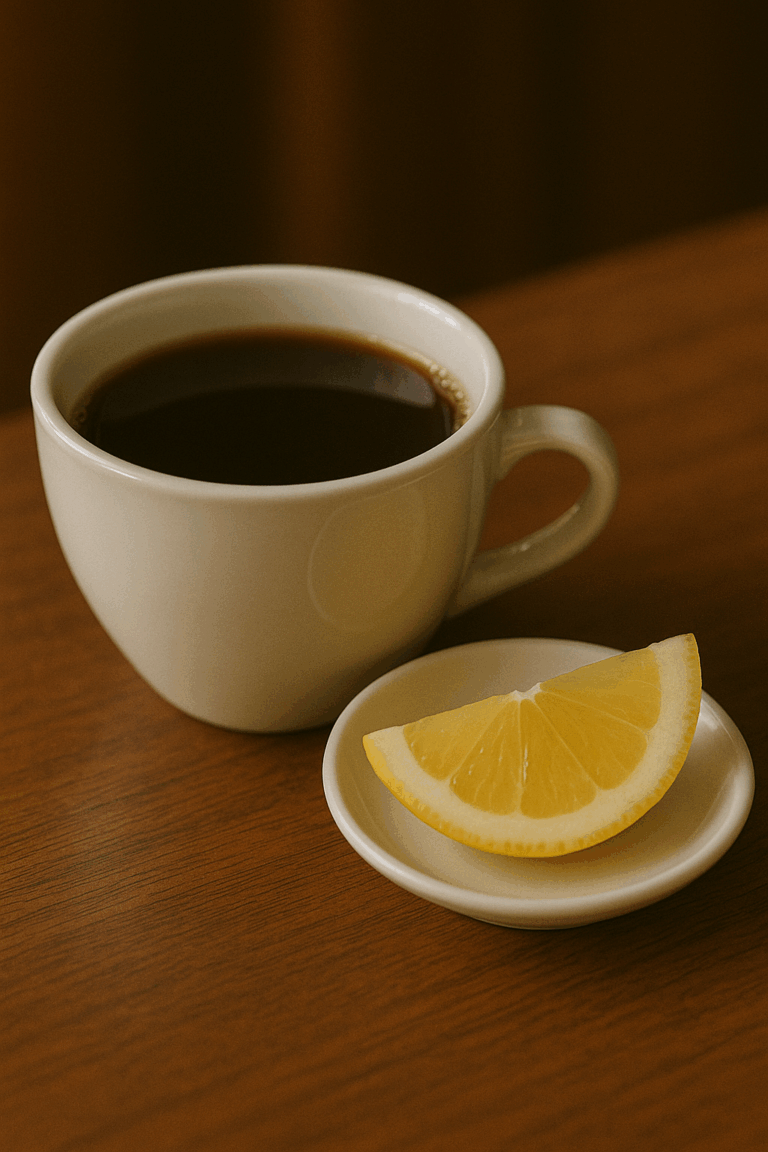
- Light roasts retain fruity, floral, acidic notes like apple, lemon, bergamot
- Medium roasts develop chocolate, almond, hazelnut, caramel, and spice notes
- Dark roasts bring out toasted, smoky, bittersweet notes—like cocoa, molasses, or even charcoal
While darker roasts may seem “stronger,” they actually have slightly less caffeine than light roasts (by volume), due to bean expansion and moisture loss.
Specialty Coffee and Roast Philosophy
In specialty coffee, roasting is seen less as “cooking” the bean and more as revealing its potential. Many specialty roasters emphasize:
- Small-batch roasting for better control
- Real-time data logging for precision
- Continuous cupping to test flavor development
- Roast curves to tailor flavor profiles to each bean’s origin
Some roasters offer “omni roasts”—a profile designed to work for both espresso and filter brewing, offering versatility without sacrificing flavor.
The Role of the Roaster
A skilled roaster is part scientist, part artist. They must consider:
- Bean density and moisture
- Crop year and fermentation method
- Altitude of origin
- Desired brewing method
- Customer preferences
Through trial and error and a deep understanding of chemical reactions roasters calibrate their process to produce consistent, delicious results.
How to Choose the Right Roast for You
Here’s a quick guide:
| You Prefer… | Try This Roast |
|---|---|
| Bright, tangy, fruity flavors | Light Roast |
| Balanced and sweet | Medium Roast |
| Strong, rich, less acidic | Dark Roast |
| Best of both (versatile) | Medium-Dark (Full City) |
Also, consider your brew method:
- Pour-over: Works well with light to medium roasts
- Espresso: Often better with medium to dark roasts
- French press: Ideal for medium-dark or dark roasts
- Cold brew: Smoothest with medium-dark to dark
Storage and Freshness
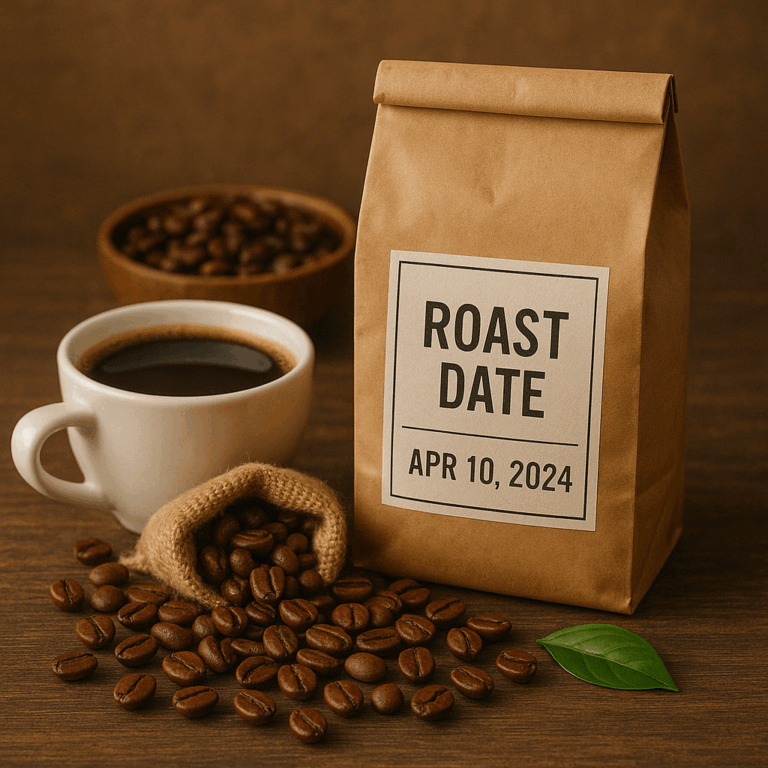
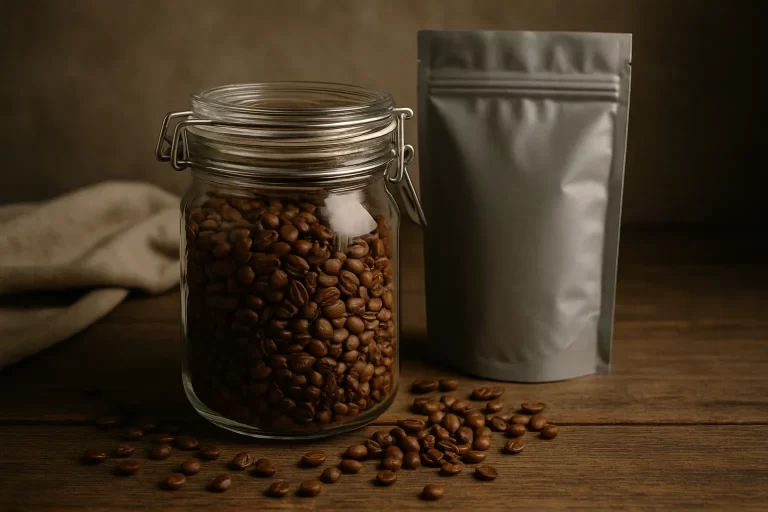
Roasted coffee is best consumed within 2–4 weeks of roast date. After that, it loses its aromatic complexity. Keep beans in:
- Airtight containers
- Cool, dark places
- Away from moisture and heat
Avoid freezing unless you vacuum-seal otherwise, condensation will ruin the flavor.
Roast to Reveal, Not to Mask
The roast is where the magic of coffee meets the mastery of the human hand. Whether you’re chasing fruity light roasts or bold dark brews, understanding how roast levels work helps you enjoy coffee more deeply. After all, every bean tells a story and the roast is the voice that brings it to life.