Coffee Rituals in Vietnam: How Cà Phê Sữa Đá Reflects a Nation’s Identity
Vietnam’s coffee culture is as vibrant and layered as its most famous brew: cà phê sữa đá a rich, sweet iced coffee made with strong robusta and sweetened condensed milk. But coffee in Vietnam is more than just a drink. It’s a daily ritual, a reflection of resilience, and a powerful symbol of the country’s social and historical fabric.
In this article, we explore how Vietnamese coffee culture developed, how it differs from Western coffee traditions, and why it continues to capture the attention of global coffee lovers.
A Brief History of Coffee in Vietnam
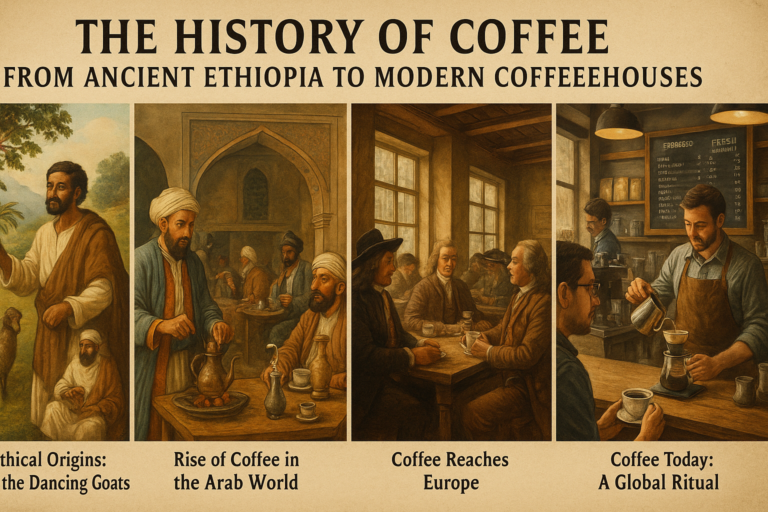
Coffee was introduced to Vietnam by French colonists in the 19th century. The French brought arabica plants and café culture with them, establishing plantations in the highlands of northern Vietnam. Over time, the Vietnamese adapted these traditions to their own climate, ingredients, and preferences.
One key adaptation was the use of robusta beans, which grow better in Vietnam’s soil and produce a stronger, more bitter flavor than arabica. Today, Vietnam is the second-largest coffee producer in the world, and the largest producer of robusta beans.
Another creative innovation was the use of sweetened condensed milk. Because fresh milk was scarce during the colonial period, condensed milk became the go-to dairy addition and remains essential in many Vietnamese coffee drinks.
What Is Cà Phê Sữa Đá?
Cà phê sữa đá translates literally to “iced milk coffee.” It’s made by:
- Placing ground dark-roast robusta coffee into a phin (a small metal drip filter)
- Pouring hot water over the grounds and allowing it to drip slowly into a glass
- Mixing it with sweetened condensed milk
- Pouring the blend over ice
The result is an intense, syrupy-sweet, and deeply aromatic drink that balances bitterness, sweetness, and strength perfectly.
There are also several variations:
- Cà phê đen đá – black iced coffee, no milk
- Cà phê trứng – egg coffee, made with whipped egg yolks and sugar
- Cà phê muối – salted coffee, a newer trend where salt is used to balance the bitterness
Coffee as a Daily Ritual
In Vietnam, drinking coffee is not about caffeine or productivity. It’s about slowing down, savoring the moment, and being present. Locals often sit at street-side cafés or on small plastic stools, sipping slowly and chatting with friends or observing life unfold around them.
Coffee is part of morning rituals, afternoon breaks, and evening gatherings. It’s common to see students, workers, retirees, and artists sharing tables, enjoying the rhythm of conversation over coffee.
Key Elements of Vietnamese Coffee Culture:
- Phin brewing: a uniquely slow, meditative process
- Strong robusta flavor: earthy, chocolaty, and bold
- Sweetened milk: creating a rich and smooth taste
- Time and place: enjoyed slowly, often in open-air cafés or roadside setups
Café Spaces in Vietnam
Vietnam’s coffee culture is incredibly diverse when it comes to settings. Here are the most popular ones:
- Street Cafés: Simple plastic chairs and tables on the sidewalk, perfect for people-watching and socializing
- Garden Cafés: Lush spaces filled with plants and water features, creating a serene ambiance
- Trendy Urban Cafés: Modern designs, specialty coffee menus, and even coworking options
- Hidden Cafés: Small shops tucked behind alleys or inside old buildings, often known only to locals
These spaces are often quiet and peaceful, emphasizing the Vietnamese value of balance between noise and calm.
The Social Role of Coffee
Coffee is deeply intertwined with social life in Vietnam. It’s not uncommon to hold a business meeting over a cà phê sữa đá, or to catch up with old friends at your neighborhood café. For many Vietnamese people, coffee is how you celebrate, reflect, or even cope with life’s ups and downs.
Coffeehouses are also creative spaces. Many writers, musicians, and designers work from cafés, drawing inspiration from their surroundings and the pace of life.
The Global Influence of Vietnamese Coffee
With the rise of third-wave coffee and global curiosity about unique brewing methods, Vietnamese coffee has gained attention worldwide. You can now find cà phê sữa đá in cities like New York, Berlin, and Sydney.
The country is also embracing specialty coffee internally, with more roasters experimenting with processing methods and bean quality. However, the traditional phin and sweetened milk combo remains beloved and widely consumed.
Sustainability and Coffee Production
Vietnam faces both opportunities and challenges in its role as a major coffee producer. Efforts are underway to:
- Reduce the environmental impact of robusta farming
- Improve fair-trade practices and farmer compensation
- Promote organic and sustainable farming methods
These changes are shaping the future of Vietnamese coffee both economically and culturally.
Why It Matters
Vietnamese coffee culture is an expression of adaptability, creativity, and warmth. It tells a story of colonization, innovation, and community all contained in a small glass of sweet, dark brew.
A Cup of Culture, Brewed Slowly
Cà phê sữa đá is more than a drink it’s a piece of Vietnamese soul. To drink it is to experience a country that values reflection over rush, ritual over routine. Whether on a busy Hanoi street or a quiet garden café in Da Nang, every cup invites you to pause, connect, and taste a rich cultural heritage.