Coffee and Identity: How Different Cultures Define Themselves Through Coffee Rituals
More Than a Drink — A Cultural Language Around the World
Coffee is one of the most consumed beverages on the planet — but it’s more than a source of caffeine. In many parts of the world, coffee is a ritual, a symbol of identity, and a window into cultural values. From East Africa to Scandinavia, people have developed unique ways to drink, serve, and share coffee — and these traditions tell deep stories about who they are.
We explore how different cultures express their identity through coffee.
Ethiopia: The Birthplace of Coffee and the Art of Ceremony
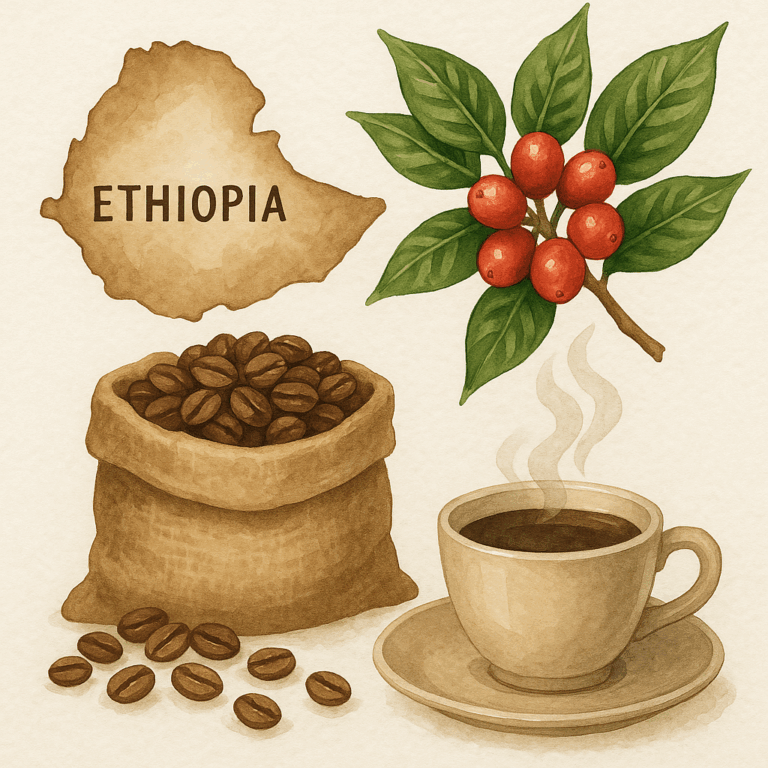
In Ethiopia, where coffee is believed to have originated, the drink is woven into daily life and community bonds. The traditional Ethiopian coffee ceremony is a social event — not just a cup of coffee.
- Green beans are roasted in front of guests
- Ground by hand using a mortar and pestle
- Brewed slowly in a special pot called a jebena
The process can take hours, and it’s a sign of hospitality and respect. To decline an invitation is considered rude. It’s not just coffee — it’s connection.
Turkey: Strong Coffee, Strong Traditions
Turkish coffee is famously strong, thick, and unfiltered — but the preparation and presentation are just as important.
- Served in small cups with water and sometimes sweets
- Traditionally brewed in a cezve (a small copper pot) over low heat
- Often followed by fortune-telling using the coffee grounds
In Turkish culture, coffee has a historical role in marriage rituals. A suitor visiting a potential bride’s home might be served coffee — and the salt or sweetness of the drink could send a symbolic message. Even today, coffee means more than flavor — it speaks volumes.
Sweden: The Sacred Coffee Break, or “Fika”
In Sweden, “fika” is more than a coffee break — it’s a lifestyle. It’s about pausing to connect, reflect, or simply enjoy a moment of calm.
- Usually shared with others
- Always accompanied by pastries or snacks
- Considered part of a healthy work-life balance
Fika is such a deep part of Swedish culture that many workplaces have scheduled fika breaks. It reflects values of well-being, equality, and social harmony.
Brazil: Coffee as a Daily Bond
In Brazil, the largest coffee producer in the world, the drink is simple, sweet, and everywhere. Known locally as “cafézinho”, it’s:
- Served in small cups, often sweetened
- Offered to guests as a default act of welcome
- A fixture in homes, offices, and even waiting rooms
Cafézinho represents warmth and hospitality, and refusing a cup can seem impolite. It’s an unspoken rule: if you visit someone, you’ll be offered coffee — no questions asked.
Japan: Coffee Meets Precision and Innovation
Japan may be known for tea, but coffee has become deeply embedded in its modern culture — in its own unique way.
- Meticulous attention to brewing methods like pour-over and siphon
- Specialty cafés emphasize aesthetic, silence, and focus
- Convenience stores also offer surprisingly good on-the-go coffee
Coffee culture in Japan reflects the country’s values: precision, craftsmanship, and balance between tradition and technology.
From sacred ceremonies to casual breaks, coffee rituals are reflections of cultural values, history, and human connection. Whether you drink it strong and thick or light and sweet, alone or with company, the way people prepare and share coffee reveals far more than just taste preferences.
So the next time you brew a cup, ask yourself:
What does this coffee say about you — and where you come from?