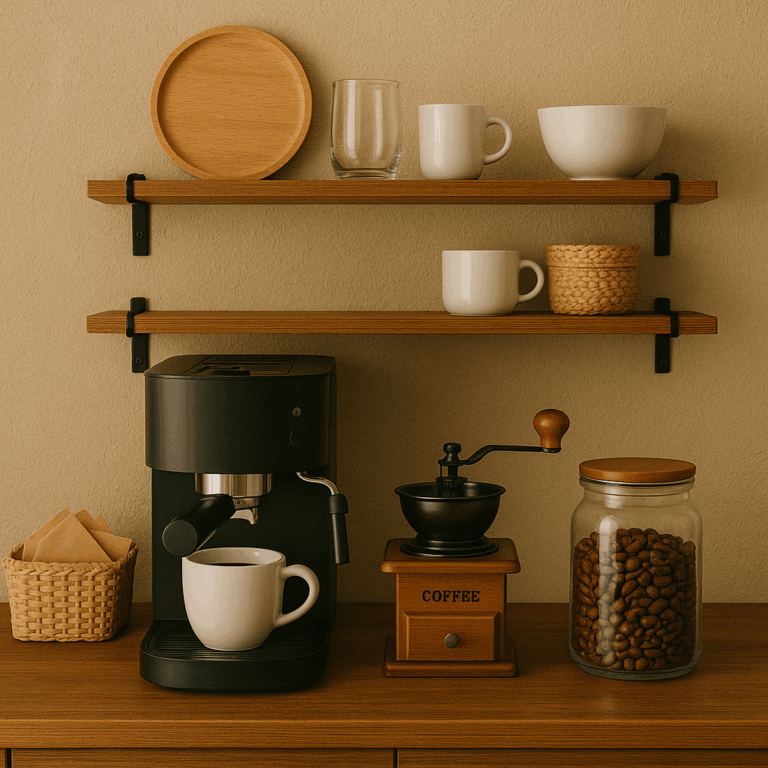
The History of the Coffeehouse: How Cafés Became Centers of Art, Politics, and Revolution
More Than a Drink — How Coffee Shaped Cultural Movements Around the World
Today, cafés are places to relax, read, or scroll through your phone. But hundreds of years ago, coffeehouses were centers of cultural life — where revolutions were sparked, art movements were born, and ideas flowed as freely as the coffee itself.
We explore the fascinating history of the coffeehouse and how it became a global symbol of creativity, debate, and social change.
The First Coffeehouses: Origins in the Middle East
The first known coffeehouses appeared in 15th-century Yemen and quickly spread to Mecca, Cairo, and Constantinople (now Istanbul).
In these early cafés called qahveh khaneh people would gather to:
- Drink coffee
- Play chess or backgammon
- Listen to music and poetry
- Discuss news, religion, and philosophy
They were known as “Schools of the Wise,” where open dialogue and learning were encouraged. Authorities sometimes tried to shut them down, fearing the spread of radical ideas but they always returned.
Europe: Coffee Fuels the Enlightenment
Coffee reached Europe in the 1600s, and coffeehouses quickly became hotspots for intellectuals, writers, and revolutionaries.
England:
- The first London coffeehouse opened in 1652
- By the late 17th century, there were over 3,000 in the city
- Known as “penny universities” — you could enter for a penny and engage in discussions with scholars and merchants
Many financial institutions (like Lloyd’s of London) began as informal gatherings in coffeehouses. They were centers of trade, knowledge, and information long before the internet.
France:
- Parisian cafés became famous for hosting artists, poets, and political thinkers
- During the French Revolution, many plans were discussed and drafted inside these cafés
- The Café de Procope, opened in 1686, hosted Voltaire, Rousseau, and later, Napoleon
Coffee was more than a drink — it was a tool of revolution and reform.
Vienna: Culture, Music, and the Café Lifestyle
In Austria, particularly in Vienna, the coffeehouse became a place of refined culture and quiet conversation.
- Rich interiors, marble tables, newspapers on racks
- Frequented by writers like Stefan Zweig and Sigmund Freud
- Music, newspapers, and art made the café an extension of the living room
The Viennese coffeehouse is so culturally important that it was recognized by UNESCO as Intangible Cultural Heritage.
The American Evolution: From Diner to Indie Café
In the United States, coffeehouses have taken many forms:
- Mid-century diners offered endless drip coffee and counter conversation
- In the 1950s and ’60s, coffeehouses became hubs for the Beat Generation, folk music, and anti-war activism
- In the 1990s and 2000s, the rise of indie cafés (and chains like Starbucks) created a new model — cozy spaces with Wi-Fi, bookshelves, and live music
Today, cafés in the U.S. represent a blend of comfort, productivity, and creativity.
Cafés Today: A Global Symbol of Expression
Around the world, modern coffeehouses continue to serve as:
- Workspaces for freelancers
- Stages for local musicians
- Hangouts for students and readers
- Meeting points for community dialogue
Whether in Nairobi, New York, Seoul, or São Paulo, cafés have become neutral spaces where ideas can grow and identities can be expressed.
The coffeehouse has evolved from its origins in religious and philosophical discussion halls to modern hubs of connection and expression. But its core has remained the same: a public space where people gather, share, and think.
So next time you sit down in a café, take a look around — you may just be sitting where the next big idea is being brewed.