Coffee Rituals from Around the World
Coffee isn’t just a drink—it’s a global ritual. Across cultures and continents, people have developed unique ways of preparing, serving, and enjoying coffee. These traditions reflect local values, history, hospitality, and community.
In this article, we’ll take a journey through some of the most fascinating coffee rituals from around the world. You’ll discover how coffee goes far beyond caffeine—it’s a cultural experience rooted in connection, ceremony, and identity.
Ethiopia: The Birthplace of Coffee
In Ethiopia, coffee isn’t just a beverage—it’s a social ritual called the coffee ceremony, and it can last up to three hours.
Key Elements:
- Green beans are roasted over a small fire, often in front of guests.
- The beans are ground by hand using a mortar and pestle.
- Brewed in a traditional clay pot called a jebena.
- Coffee is served in three rounds: Abol (first), Tona (second), and Baraka (third), symbolizing respect and blessing.
- Always accompanied by conversation, incense, and often popcorn or snacks.
The ceremony emphasizes hospitality, patience, and connection.
Italy: Espresso as a Way of Life
In Italy, coffee is synonymous with espresso. Italians usually take it standing at the bar, quickly and with focus.
Ritual Highlights:
- Espresso is short, strong, and never served in large cups.
- Cappuccino is for the morning only—ordering it after lunch is seen as odd.
- Served in small porcelain cups, often with a sugar packet or a small glass of water.
- Coffee bars are part of daily life—Italians may visit multiple times a day.
Coffee here is fast, social, and deeply rooted in routine.
Turkey: Strong, Unfiltered, and Symbolic
Turkish coffee is known for its intensity and tradition. It’s brewed in a small pot called a cezve, using very fine grounds and sugar added during brewing.
Cultural Elements:
- Coffee is simmered, not boiled, and poured into small cups.
- Served with Turkish delight or dried fruit.
- Once finished, some people read the coffee grounds left in the cup—an ancient fortune-telling practice.
- Coffee plays a role in weddings—brides serve it to their in-laws, sometimes adding salt as a test of character.
Recognized by UNESCO as part of intangible cultural heritage, this ritual is both spiritual and social.
Japan: Precision and Elegance
In Japan, coffee is approached with the same attention to detail seen in tea culture. Pour-over methods like Hario V60 are widely used.
Characteristics:
- Clean, minimalist presentation.
- Careful control of temperature, grind size, and timing.
- Specialty cafés often serve single-origin coffee in elegant glassware.
- Quiet, meditative atmosphere—coffee as an art form.
Coffee in Japan reflects calm, beauty, and intentionality.
Sweden: Fika, the Coffee Pause
In Sweden, fika is a cherished cultural tradition that goes beyond coffee—it’s a mindset and a break in the day.
What It Involves:
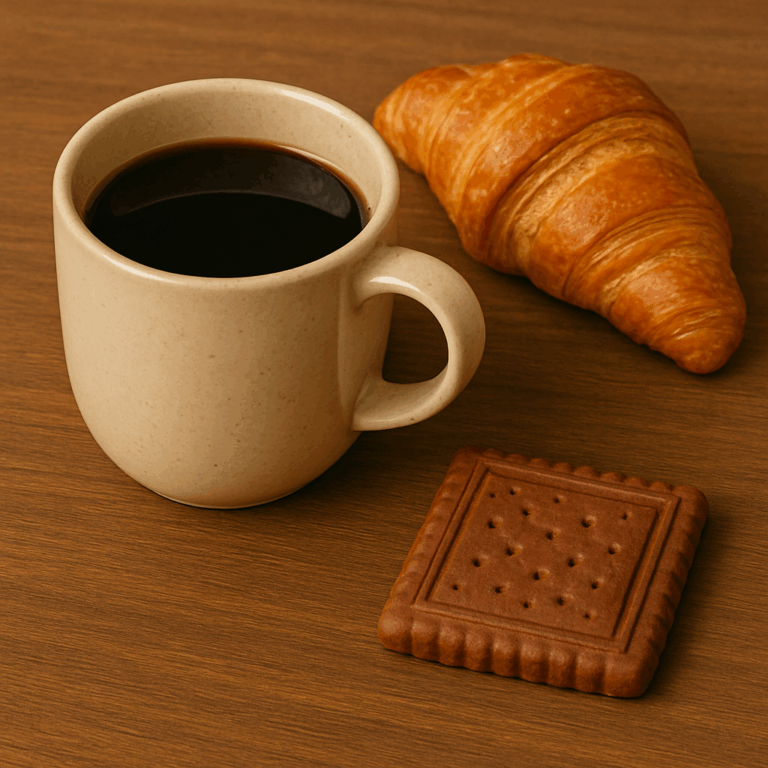
- A pause for coffee and a snack, often with coworkers or friends.
- Popular pairings: cinnamon buns, cookies, or cakes.
- Happens once or even twice daily in offices and homes.
- Encourages social connection and a moment to slow down.
Fika is about balance, well-being, and enjoying the little things.
Brazil: Café com Leite and Social Simplicity
As one of the world’s top coffee producers, Brazil keeps coffee simple, strong, and sweet.
Highlights:
- Café com leite (coffee with milk) is common at breakfast.
- Small shots of sweetened black coffee (cafezinho) are offered to guests at any time of day.
- Often served in tiny cups with no frills—but always with warmth.
- Coffee is a daily habit and a form of hospitality.
In Brazil, offering someone a cafezinho is like saying, “You’re welcome here.”
Morocco: Spiced and Social
In Morocco, coffee is rich and aromatic, often infused with spices like cardamom, cinnamon, or clove.
Traditions:
- Sometimes brewed with sugar and spices already mixed in.
- Served alongside pastries or dates.
- Enjoyed in cafes with elaborate tilework and décor.
- Coffeehouses are important social spaces for conversation and connection.
The spice reflects warmth, tradition, and North African culinary influence.
Finland: The World’s Top Coffee Consumers
Finns drink more coffee per capita than any other country.
Ritual Notes:
- Light roasted filter coffee is the standard.
- Typically enjoyed at home, work, or during “kahvitauko” (coffee breaks).
- Commonly served with pulla, a sweet cardamom-spiced bread.
- Coffee is often enjoyed multiple times per day in quiet, cozy settings.
Coffee is seen as fuel for daily life and a comfort in cold weather.
Vietnam: Sweet, Strong, and Iced
Vietnamese coffee is bold and flavorful, often made with robusta beans and served with condensed milk.
Features:
- Cà phê sữa đá: Iced coffee with sweetened condensed milk.
- Cà phê trứng: Egg coffee—a creamy, sweet treat made with whipped egg yolk and sugar.
- Brewed using a phin filter, a slow-drip metal brewer placed over a glass.
- Often consumed slowly while chatting or reading.
Vietnamese coffee culture blends intensity with sweetness.
United States: Diverse and Evolving
Coffee culture in the U.S. ranges from drive-thru chains to third-wave specialty cafés.
Observations:
- Huge variety in brew styles: drip, cold brew, espresso, pour-over.
- Specialty cafés highlight single-origin beans, latte art, and sustainability.
- Coffee is both functional (grab-and-go) and experiential (sit-down cafés).
- Trends evolve quickly—like nitro cold brew, oat milk lattes, and flash brew.
In the U.S., coffee is a reflection of individuality and innovation.
What We Can Learn from Coffee Rituals
Coffee rituals teach us that:
- Coffee is more than caffeine it’s culture, community, and comfort.
- Each tradition reflects local values, from precision to hospitality.
- Taking time to enjoy coffee can improve daily well-being.
Whether you’re sipping café au lait in France or strong brew in Finland, there’s always a way to pause, connect, and be present.
Celebrate Coffee, Globally and Personally
Why not borrow a ritual from another culture and make it part of your routine? Light a candle like in Sweden, slow-pour like in Japan, or invite a friend for a Turkish-style chat. These rituals remind us that coffee is a moment worth savoring.