How to Make Latte Art at Home: Beginner Tips
Latte art is one of the most visually delightful elements of coffee culture. From classic hearts to delicate rosettas, the designs poured atop lattes are symbols of craft and care. While it may seem like a skill reserved for professional baristas, you can absolutely learn to create beautiful latte art at home—even without a commercial espresso machine. In this beginner-friendly guide, you’ll learn everything you need to know to get started with latte art using simple tools and practical techniques.
What Is Latte Art?
Latte art is created by pouring steamed milk into a shot of espresso in such a way that the microfoam forms patterns on the surface of the coffee. The contrast between the dark crema and the white foam forms shapes like hearts, tulips, and rosettas.
But latte art isn’t just about looks—it’s also a sign of well-prepared milk and espresso. Perfect latte art requires good texture, timing, and balance.
Essential Elements of Latte Art
1. Good Espresso
- Use a fresh, rich shot with visible crema on top.
- Avoid overly bitter or under-extracted espresso.
- A proper espresso base ensures that the milk integrates smoothly and the art forms correctly.
2. Properly Steamed Milk
- Steamed milk should have a smooth, glossy texture known as microfoam.
- Microfoam is made of tiny, uniform bubbles that are silky, not airy or bubbly.
- The milk should be between 130°F and 150°F (55°C to 65°C). Too hot and it loses texture; too cool and it doesn’t mix well.
3. Correct Pouring Technique
- Latte art relies on how you pour the milk: the angle, speed, and height of the pour affect the shape.
- You’ll need to master control and fluid movement.
Tools You’ll Need
You don’t need a full café setup to start making latte art. Here’s what you’ll need:
- Espresso maker (home machine or Moka pot for practice)
- Milk frothing pitcher (with a pointed spout)
- Milk frothing tool (steam wand, handheld frother, or French press)
- Thermometer (optional, but helpful)
- Whole milk (best for microfoam)
If you’re using alternative milk, opt for “barista edition” versions of oat or soy milk—they froth better and hold their shape.
How to Steam Milk Without a Machine
If you don’t have a steam wand, here are a few effective alternatives for frothing milk:
Using a French Press
- Heat milk to ~140°F.
- Pour into the French press and pump the plunger up and down rapidly.
- Stop when milk has doubled in volume and has a silky texture.
Using a Handheld Frother
- Heat milk on the stove or in the microwave.
- Use the frother in short bursts to create fine bubbles.
- Tap the container on a counter to remove large bubbles.
Using a Jar
- Shake warm milk in a sealed jar for 30–60 seconds.
- This method creates more foam than microfoam, but it’s a good start for beginners.
Step-by-Step: Making Latte Art at Home
Step 1: Brew Your Espresso
- Pull a double shot (about 2 oz).
- Use fresh, finely ground beans.
- Let the crema settle, but not disappear.
Step 2: Steam or Froth the Milk
- Use about 5–6 oz of whole milk.
- Aim for microfoam: fine, glossy, and thick, but pourable.
- Swirl the milk in the pitcher to smooth the texture before pouring.
Step 3: Prepare Your Cup
- Use a wide, round cup (6–8 oz) for more room to create your design.
- Pour the espresso into the cup first.
Step 4: Pour the Milk
The Basic Technique:
- Start high above the cup, pouring slowly to mix the milk and espresso.
- As the cup fills, lower the pitcher and pour faster. This will allow the foam to rise to the surface.
- For a heart: Pour into the center, then move the pitcher slightly side to side, and pull through the center at the end.
- For a tulip: Stop and restart the pour multiple times, layering circles on top of one another.
- For a rosetta: Wiggle the pitcher side to side as you move backward, then pull through.
Tips:
- Keep your wrist relaxed and movements smooth.
- Don’t overfill the cup—leave room for the art to form.
- Practice just pouring circles to master control before trying shapes.
Beginner Patterns to Try
| Pattern | Difficulty | Description |
|---|---|---|
| Heart | Easy | Single drop with a pull-through. Start here. |
| Tulip | Moderate | Stack multiple heart shapes, ending with a pull. |
| Rosetta | Moderate | Zig-zag pour with a pull-through for a leaf shape. |
| Monk’s Head | Easy | A round, centered shape—good practice for flow control. |
Common Mistakes and Fixes
| Mistake | Why It Happens | How to Fix It |
|---|---|---|
| Milk too bubbly or dry | Over-frothed or too hot | Froth less and monitor temperature |
| Milk doesn’t mix with coffee | Pour too fast or not from high enough | Start pouring slowly and from a height |
| No design appears | Foam not thick enough | Improve milk texture before pouring |
| Art disappears too fast | Too much crema or bad milk/espresso ratio | Use fresher beans and finer foam |
Latte Art Without Espresso
If you don’t have an espresso machine, you can still practice using:
- Moka pot: Brews strong coffee similar in body to espresso.
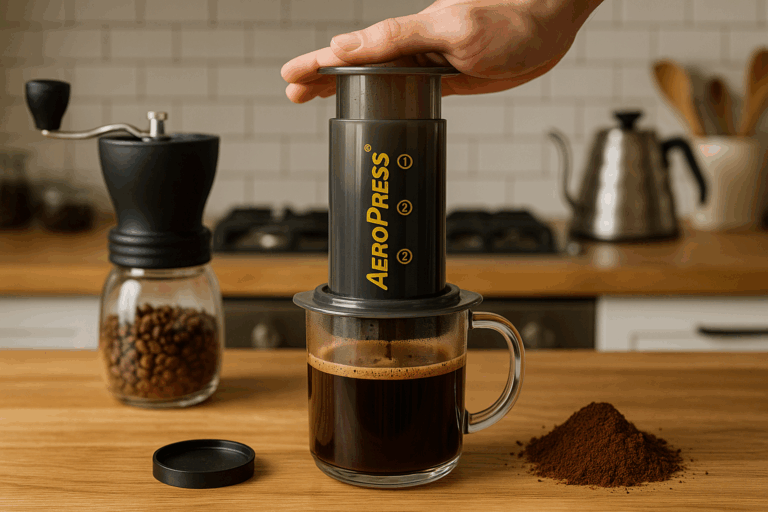
- Aeropress: Use a small amount of water and fine grind.
- Strong instant coffee: Works for visual practice, but won’t taste the same.
While crema might be limited, these methods still allow for foam art practice.
Practice Tips
- Use a consistent milk type—whole milk is most forgiving.
- Repetition is key—practice every day, even if just for a few minutes.
- Video tutorials help—watch baristas pour to mimic hand movement.
- Record yourself—watch your own pours to spot improvements.
Remember: beautiful art starts with a solid pour. Focus on fundamentals before moving to complex patterns.
Final Thoughts: Enjoy the Process
Latte art isn’t just about making your coffee pretty—it’s about deepening your connection to the process. It requires patience, mindfulness, and attention to detail. Whether your designs look like café masterpieces or abstract blobs at first, each cup you make teaches you something.
With the right milk, consistent practice, and a little creativity, you’ll be amazed at what you can create—no expensive equipment needed.