Parisian Café Culture: How the Grand Crème Became a Symbol of the French Way of Life
Paris is more than a global capital of fashion, art, and romance it is also home to one of the richest café cultures in the world. While the city’s love affair with coffee dates back centuries, the enduring charm of the grand crème a creamy coffee served in ceramic cups offers a window into French lifestyle, conversation, and identity. In this article, we explore how Parisian cafés became cultural landmarks and why they continue to captivate both locals and tourists alike.
A Brief History of Parisian Coffeehouses
The first café in Paris, Café Procope, opened in 1686 and quickly became a gathering place for philosophers, writers, and revolutionaries. Figures like Voltaire, Rousseau, and Diderot sipped coffee and debated ideas that would change the world. Over time, cafés became intertwined with French intellectual life.
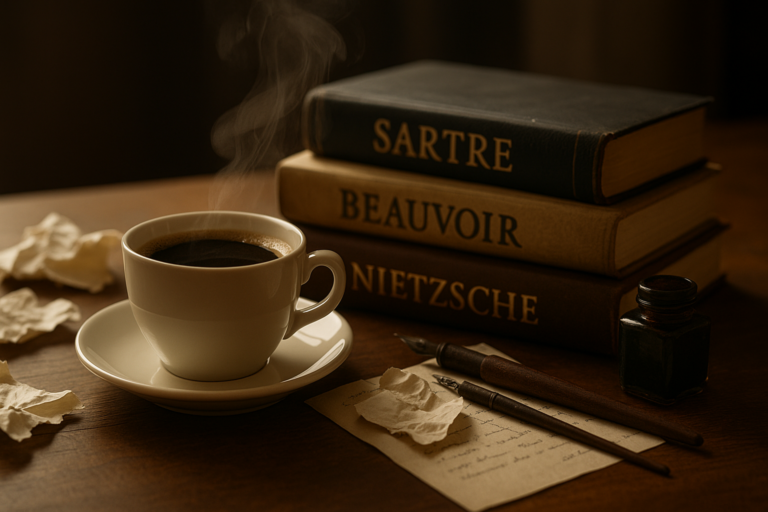
By the 19th century, the café was no longer just for the elite. The rise of café-concerts and neighborhood brasseries made coffee drinking a daily pleasure accessible to all classes. In the 20th century, existentialist thinkers like Sartre and Beauvoir made Café de Flore and Les Deux Magots famous by turning them into unofficial offices for discussion and writing.
Today, cafés in Paris are an essential feature of the city’s rhythm an extension of the sidewalk, a stage for people-watching, and a sanctuary for thought and leisure.
What Is a Grand Crème?
A grand crème is the French cousin of the Italian cappuccino. It consists of espresso with a generous amount of hot milk, topped with a light layer of foam. Unlike a cappuccino, which is typically served in a small ceramic cup, a grand crème comes in a larger cup hence “grand.”
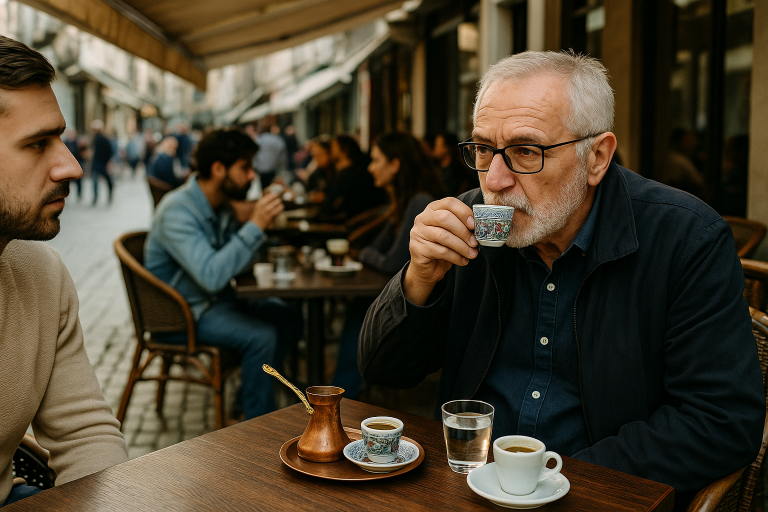
It’s not just the drink that matters but the ritual: being served at a terrace table by a uniformed waiter, sipping slowly while reading the newspaper or chatting, and watching the world go by.
Other popular café drinks in Paris include:
- Café noir – a shot of espresso
- Café allongé – espresso with extra hot water (similar to an Americano)
- Noisette – espresso with a splash of milk
- Chocolat chaud – a decadent hot chocolate, often thicker than usual
The Café as a Stage for Life
In Paris, the café terrace is more than a place to drink coffee—it’s a theater. Locals often refer to cafés as an extension of their living rooms. You’ll find people having first dates, job interviews, philosophical discussions, and solitary reflection all in the same space.
Key Aspects of Parisian Café Culture:
- People-Watching: Paris is a pedestrian city, and café-goers often choose tables that face the street. It’s perfectly acceptable to sit alone for hours, watching people walk by.
- Reading and Writing: Writers and students frequent cafés with notebooks or laptops. Some iconic literary works were started or completed at Parisian cafés.
- Minimal Tipping: Service is included in the price, and while tipping is appreciated, it is not obligatory.
- Slow Service by Design: Unlike fast-food chains, cafés encourage you to take your time. It’s normal to sit with a single cup for an hour or more.
Café Etiquette in Paris
Understanding local etiquette can enhance your café experience:
- Seat Yourself Carefully: Waiters typically control outdoor seating. Make eye contact or gesture before taking a table.
- One Drink, Many Minutes: You won’t be rushed. It’s common to order just one coffee and sit as long as you like.
- Cash Is Still King: Many small cafés still prefer cash for small transactions.
- Don’t Order Like a Tourist: Skip “latte” or “coffee with cream” ask for a grand crème or noisette to blend in.
How Tourists Experience It Differently
Many tourists are captivated by Parisian café culture, though it may come as a surprise that service can be slower or more formal than expected. The key is to embrace the local rhythm—sit back, relax, and do as Parisians do: linger.
Cafés offer a unique chance for cultural immersion. Even if you don’t speak French, the universal language of quiet contemplation and polite observation bridges the gap.
The Grand Crème in the Modern Era
While trends like cold brew and oat milk lattes are gaining ground in trendy Parisian neighborhoods, the grand crème remains a staple. Many Parisians still visit the same neighborhood café every morning, where the barista knows their name and order.
However, newer generations are reshaping café culture slightly. Co-working cafés, plant-based menus, and digital payments are modernizing the scene without discarding its roots. In fact, the café of the future may be even more inclusive combining tradition with accessibility, sustainability, and tech integration.
Café as Cultural Heritage
In 2018, UNESCO considered including French café culture in its list of intangible cultural heritage. This recognition would cement what Parisians already know: cafés are an essential part of France’s social fabric.
Unlike chain coffee shops that focus on convenience, Parisian cafés value presence. They encourage patrons to slow down, pay attention, and engage with the world around them.
Why It Still Matters
The grand crème is not just a drink it is a signal that you are participating in something larger than yourself. It connects generations, invites reflection, and turns every ordinary moment into something poetic.
A Grand Crème, a Grand Moment
In Paris, a simple coffee becomes a ceremony. The grand crème is more than a hot beverage; it’s a warm invitation to pause, reflect, and connect. Whether you’re enjoying it on a sun-drenched terrace or tucked into a tiny corner bistro on a rainy day, one thing is certain: for those moments, you’re living the Parisian dream.