The History of Coffee: From Ethiopia to Global Obsession
Coffee is one of the most beloved beverages in the world, fueling everything from quiet mornings to bustling cafés. But this iconic drink has a rich and fascinating history that spans centuries, cultures, and continents.
In this article, we’ll take you through the journey of coffee from its legendary origins in Ethiopia to its global spread and modern cultural significance.
The Legendary Origins in Ethiopia
The story of coffee begins in the forests of Ethiopia, where the coffee plant (Coffea arabica) is believed to have originated.
The Kaldi Legend:
According to legend, a 9th-century goat herder named Kaldi noticed his goats became unusually energetic after eating berries from a certain shrub. Curious, Kaldi tried the berries himself and experienced the same boost.
A local monk, intrigued by Kaldi’s discovery, used the berries to make a drink that helped him stay awake during long prayers. Word spread, and soon coffee became known as a tool for mental clarity and energy.
Though the story is folklore, Ethiopia remains one of the most important coffee-producing countries, known for floral, fruity, and complex beans.
Yemen and the Birth of Coffee Culture
By the 15th century, coffee had made its way across the Red Sea to Yemen, where it was cultivated in the region of Mocha—yes, the origin of that name.
Key Developments:
- Sufi monks used coffee to stay awake during spiritual rituals.
- Coffee was boiled into a strong drink known as qahwa, from which the word “coffee” is derived.
- Coffee houses, known as qahveh khaneh, began to appear.
These were social hubs for music, chess, storytelling, and intellectual discussion—a tradition that continues today.
Coffee Spreads Through the Islamic World
Coffee quickly became a staple in the Islamic world, spreading to:
- Mecca and Medina (1500s)
- Cairo, Damascus, and Istanbul
- Across Persia and North Africa
Despite occasional bans by religious authorities who viewed it as a stimulant, coffee’s popularity grew. It became closely tied to intellectual gatherings, religious devotion, and social life.
Arrival in Europe: A Curious New Drink
Coffee reached Europe in the 17th century, arriving first through the Venetian trade routes and later spreading across the continent.
First Impressions:
- Initially met with suspicion—some referred to it as “the bitter invention of Satan.”
- Others called it the “wine of Islam,” due to its Middle Eastern origins.
Eventually, Pope Clement VIII reportedly tried coffee, enjoyed it, and gave it his blessing, helping normalize its consumption in Christian Europe.
Coffeehouses: The “Penny Universities”
By the late 1600s, coffeehouses began appearing in cities like London, Paris, and Vienna.
- Patrons paid a penny for a cup and engaged in debate, news sharing, and intellectual exchange.
- These establishments were nicknamed “penny universities.”
- Coffee became a fuel for Enlightenment thinking, literature, politics, and commerce.
Fun fact: Lloyd’s of London (insurance giant) began as a coffeehouse.
Coffee Reaches the Americas
The Dutch were the first to cultivate coffee outside Arabia, establishing plantations in Java (Indonesia) in the 1600s.
From there, coffee spread to:
- Caribbean Islands
- Central and South America
- Brazil, which became the world’s largest coffee producer in the 1800s
Plantations, however, were often tied to colonialism and slavery—an important aspect of coffee’s global history.
The Rise of Global Coffee Trade
By the 18th and 19th centuries, coffee was a global commodity.
- Industrialization enabled mass production and distribution.
- Instant coffee was developed in the early 1900s.
- Coffee became a staple in homes and restaurants worldwide.
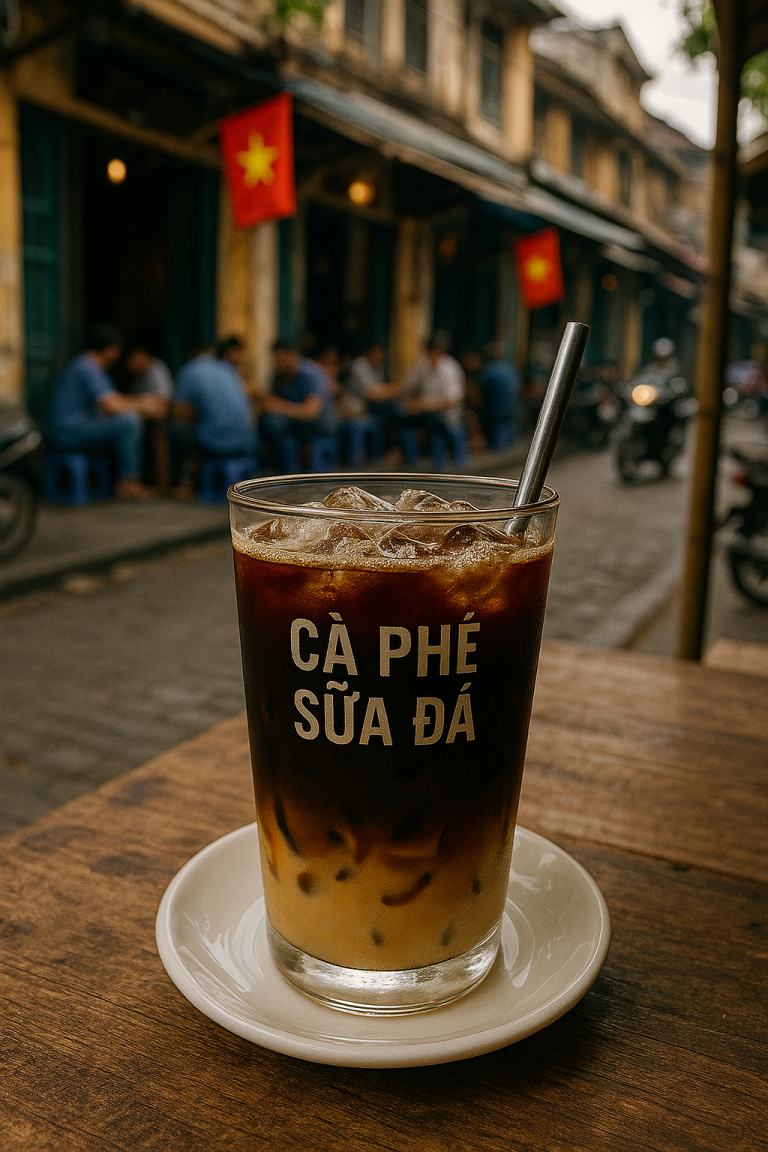
Global demand skyrocketed, and countries like Colombia, Ethiopia, Vietnam, and Brazil became key players in the industry.
20th Century: From Diner Coffee to Specialty Culture
In the 20th century, coffee culture evolved rapidly.
Key Milestones:
- 1950s: Coffee became associated with diners, office breaks, and home life.
- 1970s: The term “specialty coffee” emerged, focusing on quality and origin.
- 1990s–2000s: Brands like Starbucks made café culture mainstream.
- 2010s onward: The third wave of coffee emphasized artisanal roasting, sustainability, and transparency.
Consumers began to care not only about taste—but also where coffee comes from, how it’s grown, and who produced it.
Modern Coffee Culture: A Global Language
Today, coffee is:
- Brewed in countless ways—espresso, pour-over, cold brew, siphon
- A symbol of hospitality, creativity, and connection
- Central to daily routines in every corner of the world
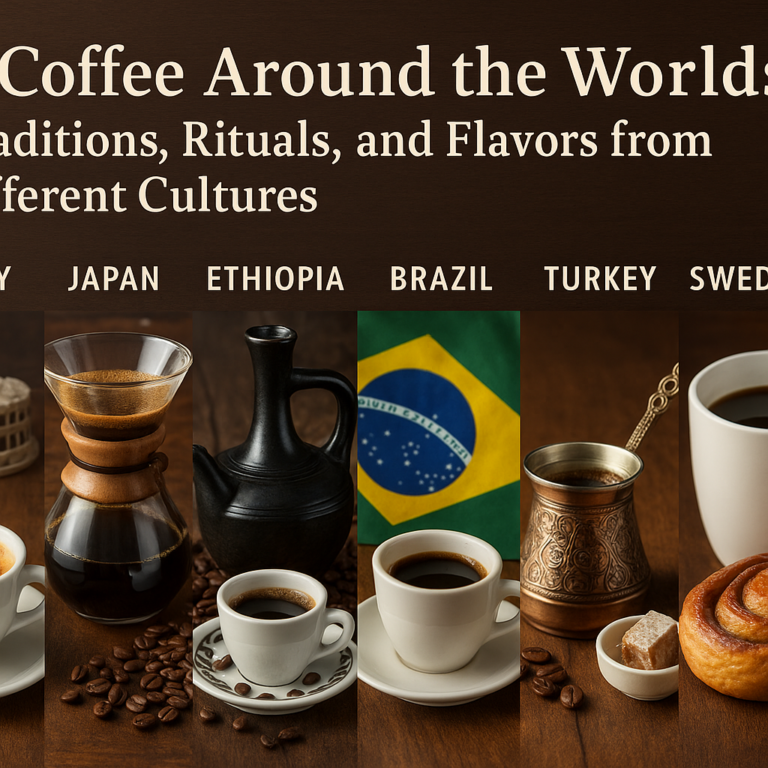
Whether you’re enjoying Turkish coffee in Istanbul, espresso in Rome, or cold brew in New York, you’re part of a centuries-old tradition that continues to evolve.
Final Thoughts: A Cup with a Story
Coffee’s journey from Ethiopian forests to your cup is filled with rich history, cultural exchange, and human innovation. Every sip connects you to farmers, rituals, trade routes, and revolutions.
So next time you brew a cup, take a moment to appreciate not just the flavor—but the incredible story behind it.