Espresso vs. Drip: Which Brewing Method is Better?
Coffee lovers around the world often find themselves choosing between two iconic brewing methods: espresso and drip. Each method has its own unique strengths, flavors, and cultural significance. Whether you prefer a quick, intense shot or a smooth, aromatic mug, this comprehensive guide will help you understand the pros and cons of both methods—so you can decide which one truly fits your taste and lifestyle.
What Is Espresso?
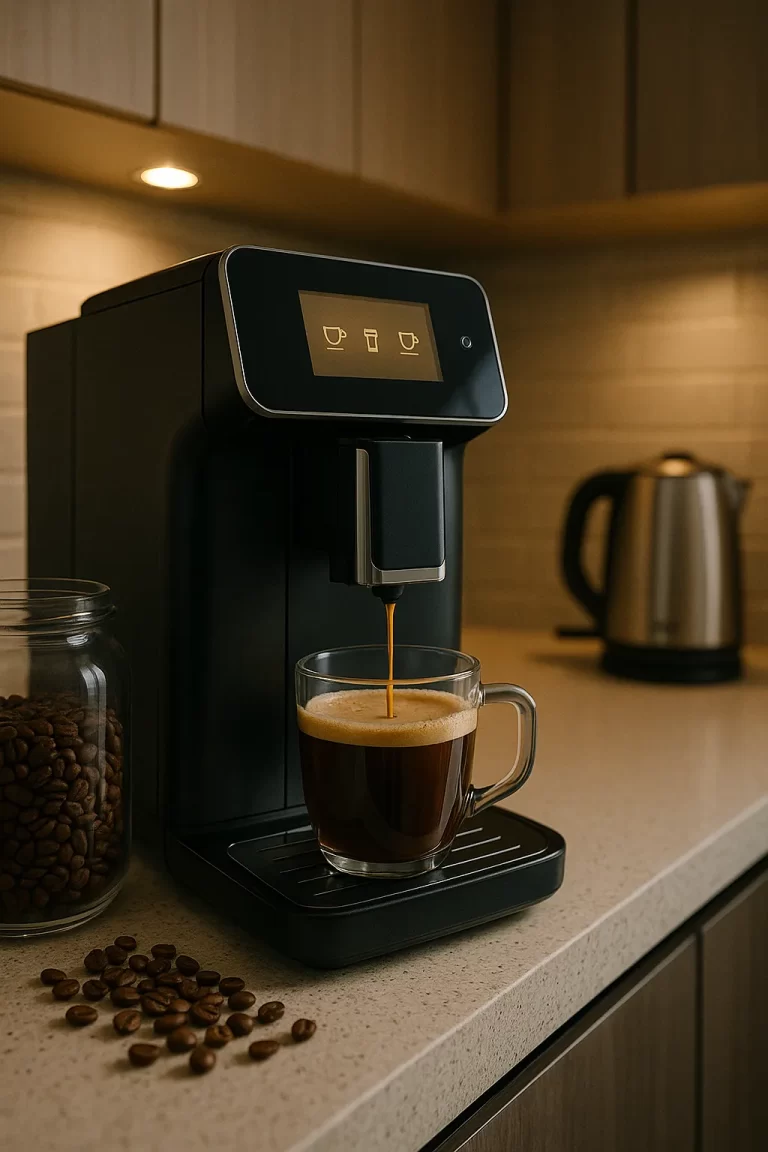
Espresso is a concentrated form of coffee made by forcing hot water through finely ground coffee under high pressure. It’s typically served in small 1-ounce or 2-ounce “shots,” featuring a rich, intense flavor and a layer of foam on top called crema.
Key Characteristics:
- Brew Time: ~25–30 seconds
- Grind Size: Fine
- Pressure: ~9 bars
- Flavor: Strong, bold, complex
- Serving Size: 1–2 oz
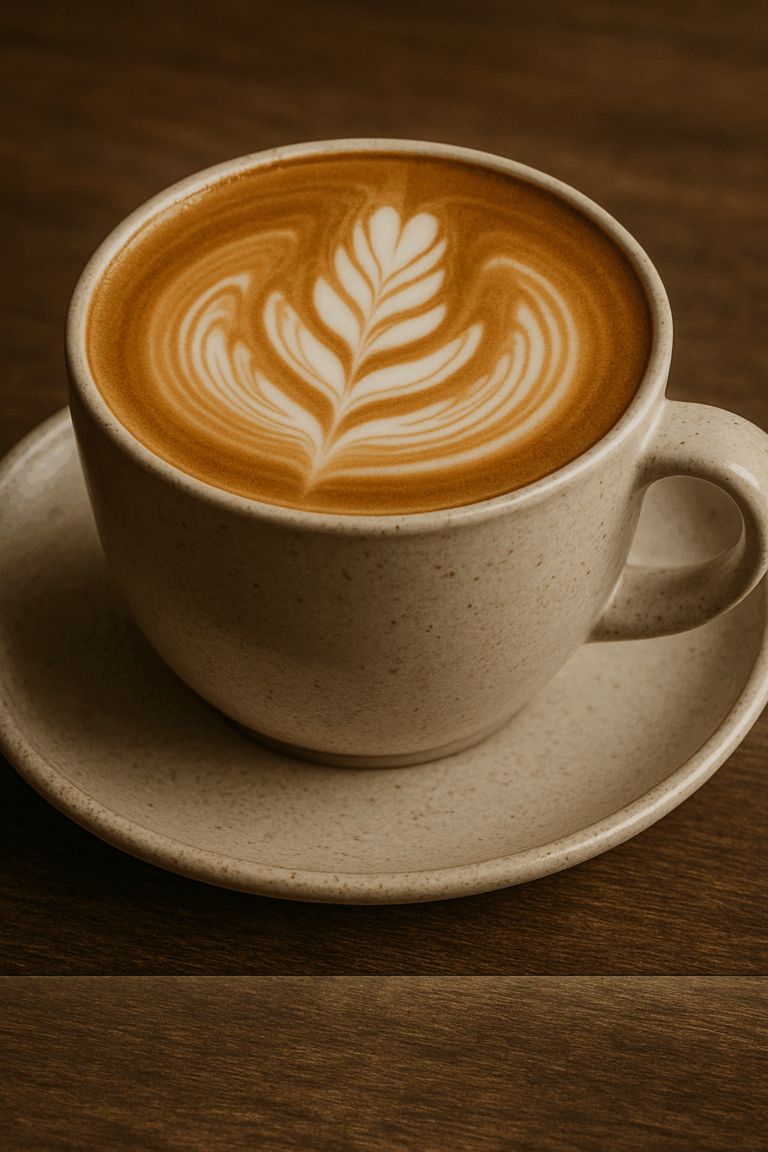
Espresso forms the base for popular café drinks like lattes, cappuccinos, macchiatos, and flat whites.
What Is Drip Coffee?
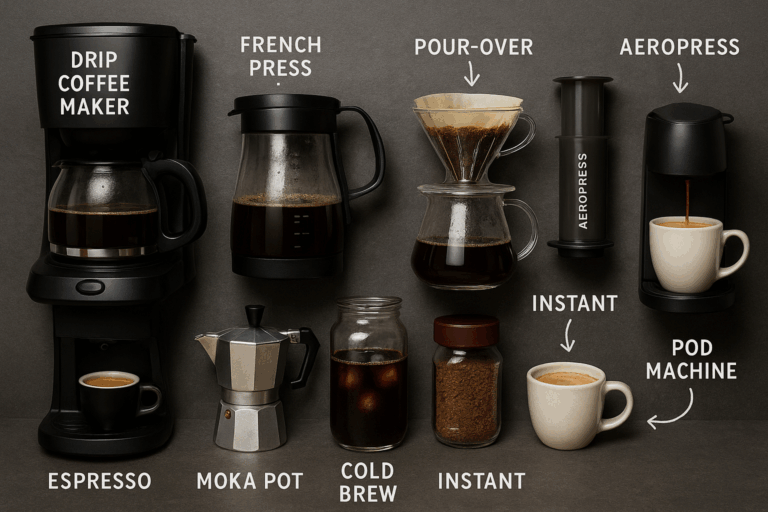
Drip coffee, also known as filter or pour-over coffee, is brewed by pouring hot water over medium-ground coffee, which slowly filters through into a carafe or cup. It produces a smoother, more diluted coffee that is perfect for sipping over time.
Key Characteristics:
- Brew Time: ~3–6 minutes
- Grind Size: Medium
- Pressure: None (gravity-driven)
- Flavor: Balanced, clean, nuanced
- Serving Size: 8–12 oz or more
Drip coffee is the most common home-brewing method and is ideal for large servings.
Flavor and Strength Comparison
Espresso is significantly more concentrated. A single shot contains intense flavors, with more pronounced bitterness and complexity in a short, bold sip.
Drip coffee, by contrast, emphasizes clarity and aroma. It allows you to experience the subtle notes of the beans—fruity, nutty, or floral undertones—that espresso often compresses into boldness.
Per Ounce:
- Espresso: ~63 mg caffeine
- Drip Coffee: ~12–15 mg caffeine
Per Serving:
- Espresso Shot (2 oz): ~126 mg
- Drip Coffee (8 oz): ~95–140 mg
So while espresso is stronger ounce-for-ounce, a full cup of drip coffee usually contains more caffeine overall.
Equipment: Cost, Convenience, and Complexity
Espresso Machine:
- Cost: $100 to $2000+
- Setup: Requires learning about grind size, tamping, pressure, and timing
- Maintenance: Needs regular cleaning and calibration
- Extras: Grinder, tamper, milk frother, descaling tools
Drip Coffee Maker:
- Cost: $20 to $200 (even high-end models)
- Setup: Easy—add grounds and water, press start
- Maintenance: Simple cleaning
- Extras: Paper or reusable filters, sometimes a built-in grinder
If you’re just starting out or want a low-maintenance routine, drip coffee is far more beginner-friendly.
Versatility and Beverage Variety
Espresso is the base for a variety of milk-based drinks, making it a go-to for those who enjoy cappuccinos, lattes, flat whites, and more.
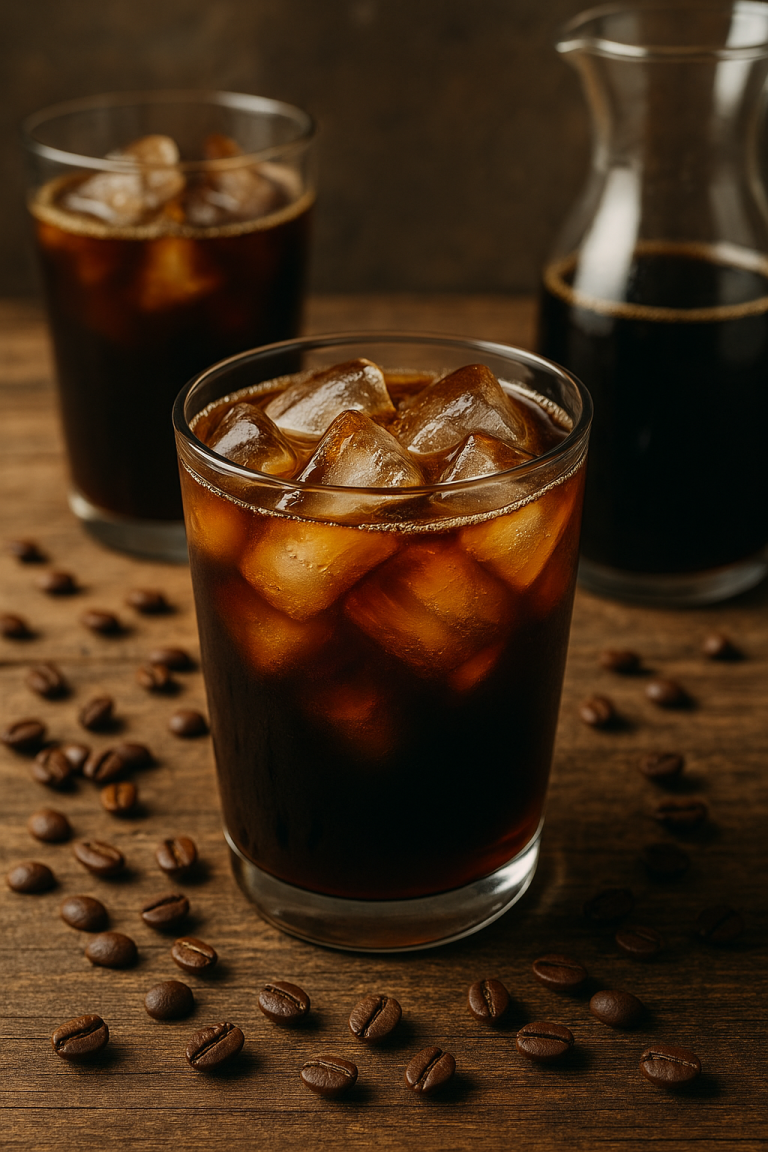
Drip coffee, while typically consumed black or with cream/milk, can also be transformed with syrups, spices, or served cold as iced coffee.
| Feature | Espresso | Drip Coffee |
|---|---|---|
| Base for milk drinks | ✅ | ❌ (not ideal) |
| Best for black coffee | ✅ | ✅ |
| Easily flavored/sweetened | ✅ | ✅ |
| Cold versions available | ✅ (iced, cold brew) | ✅ (iced, cold brew) |
Customization and Control
Both brewing methods offer customization, but in different ways:
Espresso:
- Control pressure, temperature, grind size, and tamping
- Fine-tune extraction time for flavor balance
- Small margin for error, especially for beginners
Drip:
- Control water temperature, bloom time, grind size, and pour rate (especially with manual pour-over)
- Easier to experiment with beans and ratios
- More forgiving if you’re learning
If you’re a coffee geek who loves dialing in every detail, espresso offers more depth—but also more complexity. Drip methods give you room to explore flavors with less stress.
Time and Convenience
- Espresso: Once you’re practiced, pulling a shot takes 30 seconds. But setup, cleanup, and maintenance can make it less ideal for rushed mornings.
- Drip: Takes 4–6 minutes, but it’s mostly hands-off—especially with auto machines. You can brew multiple cups at once.
For busy households or offices, drip coffee is more convenient. For quick solo cups and more control, espresso can be worth the time.
Environmental Impact
- Espresso Machines: Some use pods or capsules, which can be wasteful. Traditional portafilter machines are better for sustainability.
- Drip Coffee: If you use reusable filters and compost your grounds, it’s eco-friendly.
Choose a setup that minimizes single-use plastics and maximizes reusable tools.
Which One Is Right for You?
Here’s a breakdown based on your preferences:
| If You… | Go With… |
|---|---|
| Love strong, intense coffee flavor | Espresso |
| Prefer smooth, mellow flavors | Drip |
| Enjoy lattes, cappuccinos, etc. | Espresso |
| Drink multiple cups a day | Drip |
| Want fast, café-style drinks | Espresso |
| Want easy cleanup and simplicity | Drip |
| Love experimenting with flavor notes | Drip (manual) |
| Want something impressive for guests | Espresso |
Final Thoughts: There’s No One-Size-Fits-All
Espresso and drip coffee both offer excellent ways to enjoy your daily brew. Espresso shines in its intensity, efficiency, and versatility, especially if you enjoy café-style drinks. Drip coffee, on the other hand, offers ease, affordability, and a clean canvas for tasting bean nuances.
If you’re new to home brewing, drip is the perfect starting point. If you’re ready for the challenge and the reward, espresso opens a world of possibilities.
Ultimately, it’s not about which method is objectively better, it’s about which one brings you more joy with every cup.