Micro-Roasting vs. Commercial Roasting: How Scale Influences Coffee Bean Quality
When it comes to coffee, quality isn’t just about origin or variety — it’s also deeply tied to how the beans are roasted. The roasting scale, whether micro or commercial, significantly affects the consistency, aroma, flavor profile, and even freshness of your final cup. In this article, we’ll explore the differences between micro-roasting and commercial roasting, and how each approach influences coffee bean quality in unique ways.
Understanding Micro-Roasting
Micro-roasting refers to roasting small batches of coffee beans, usually between 1 to 15 kilograms per batch, often by specialty roasters or artisanal coffee shops. This method allows for precise control over time, temperature, and airflow — key factors that determine how the beans develop during roasting.
Advantages of Micro-Roasting
- Precision and Customization
Micro-roasters have the flexibility to fine-tune each batch based on the origin, moisture level, and density of the green coffee beans. This often results in a more refined and unique flavor profile, optimized to highlight the best characteristics of each coffee lot. - Freshness
Since micro-roasters roast in small batches, the coffee is typically sold and consumed shortly after roasting, which ensures freshness and preserves volatile aromatic compounds. - Traceability and Ethics
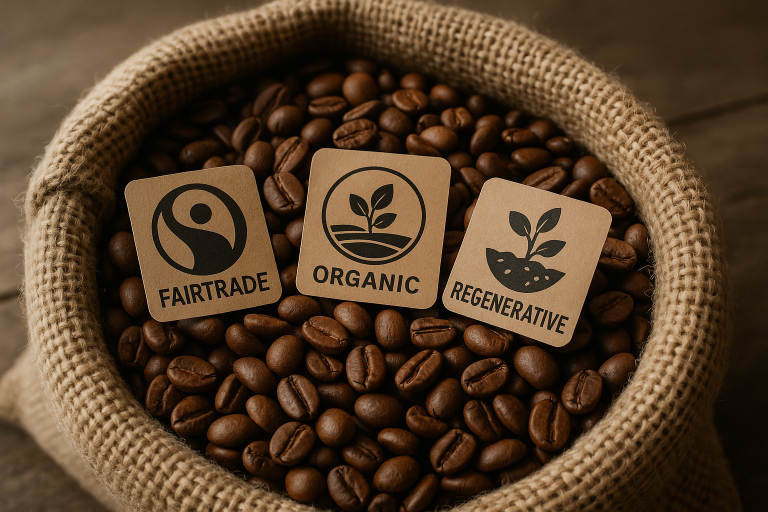
Micro-roasters are more likely to work directly with farmers or cooperatives, ensuring higher traceability and often better ethical sourcing practices. - Experimentation and Innovation
Small-scale roasting enables continuous experimentation with roast profiles, origin blends, and post-roast processes (like resting and degassing), which leads to innovation in flavor and texture.
Challenges of Micro-Roasting
- Inconsistency: Small batches can be more vulnerable to minor variations in temperature or humidity, leading to slight differences in each roast.
- Higher Cost: Micro-roasted coffee tends to be more expensive due to limited scale and labor-intensive practices.
Understanding Commercial Roasting
Commercial roasting involves large-scale production, typically hundreds of kilograms per batch, designed to supply supermarkets, chain cafés, and international markets. The goal is to produce a consistent product at scale, usually at a lower cost per unit.
Advantages of Commercial Roasting
- Consistency at Scale
Industrial roasting equipment uses advanced sensors, automation, and software to ensure reproducibility. Every batch is meant to taste the same, regardless of when or where it’s roasted. - Efficiency
Roasting larger volumes reduces costs due to economies of scale, making commercial coffee more accessible to a wider audience. - Extended Shelf Life
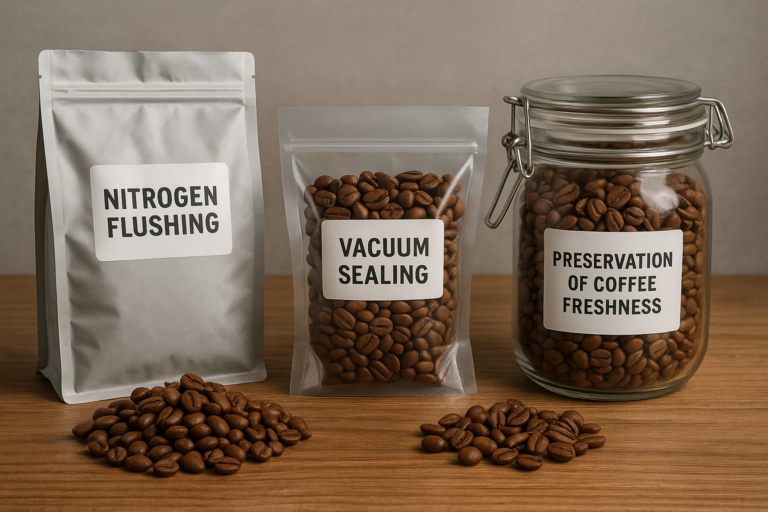
Commercial roasters often use packaging with nitrogen flushing or vacuum sealing to increase shelf life, allowing for mass distribution without immediate spoilage.
Limitations of Commercial Roasting
- Standardization over Nuance: Flavor profiles are usually designed to appeal to the general public, meaning the coffee often lacks the complexity and uniqueness found in micro-roasts.
- Over-Roasting: To achieve consistency and mask lower-quality beans, some commercial roasters tend to roast darker, which can burn off delicate notes and increase bitterness.
- Delayed Consumption: Large batches are often stored in warehouses or shipped long distances before being consumed, leading to a loss of aromatic intensity and flavor clarity.
Key Differences in Quality: Micro vs. Commercial
| Aspect | Micro-Roasting | Commercial Roasting |
|---|---|---|
| Batch Size | 1–15 kg | 100+ kg |
| Flavor Profile | Unique, experimental, terroir-driven | Standardized, mass appeal |
| Freshness | High (sold soon after roasting) | Moderate to low (longer storage) |
| Consistency | Variable across batches | Very consistent |
| Cost | Higher | Lower |
| Innovation | High | Low to moderate |
How Roasting Scale Affects Coffee Aroma
Roasting scale impacts Maillard reactions and caramelization processes, which are crucial for aroma development. In micro-roasting, these chemical reactions are closely monitored and manipulated in real time, allowing the roaster to draw out floral, fruity, nutty, or chocolatey notes specific to a bean’s origin.
In contrast, commercial roasters focus on replicability, often sacrificing nuance in favor of boldness and uniformity. The result is typically a roast with dominant chocolate, smoky, or nutty tones — crowd-pleasing, but less exciting.
Why Roasting Scale Matters to You
If you’re a home brewer, barista, or café owner, understanding how scale affects quality helps you make smarter buying decisions. Consider:
- Your flavor goals: Want more complexity? Choose micro-roasted beans.
- Your budget: Looking for affordability? Commercial roasts might be more cost-effective.
- Your audience: For cafés serving a wide customer base, a balance between quality and consistency may be ideal.
Final Thoughts: Which is Better?
There’s no universal answer to which is “better” — it all depends on what you value more: quality and uniqueness, or consistency and price.
Micro-roasting is ideal for those who seek an exceptional, origin-forward experience, and are willing to pay a premium. Commercial roasting suits those who need scalable, consistent supply and are less focused on flavor subtleties.
Ultimately, understanding these differences empowers coffee lovers and professionals to choose beans that align with their goals — whether that’s crafting a delicate pour-over at home or serving hundreds of espressos daily.